
Lifestyle
Portar Leisa: The Art of Wearing the Traditional Romanian Blouse

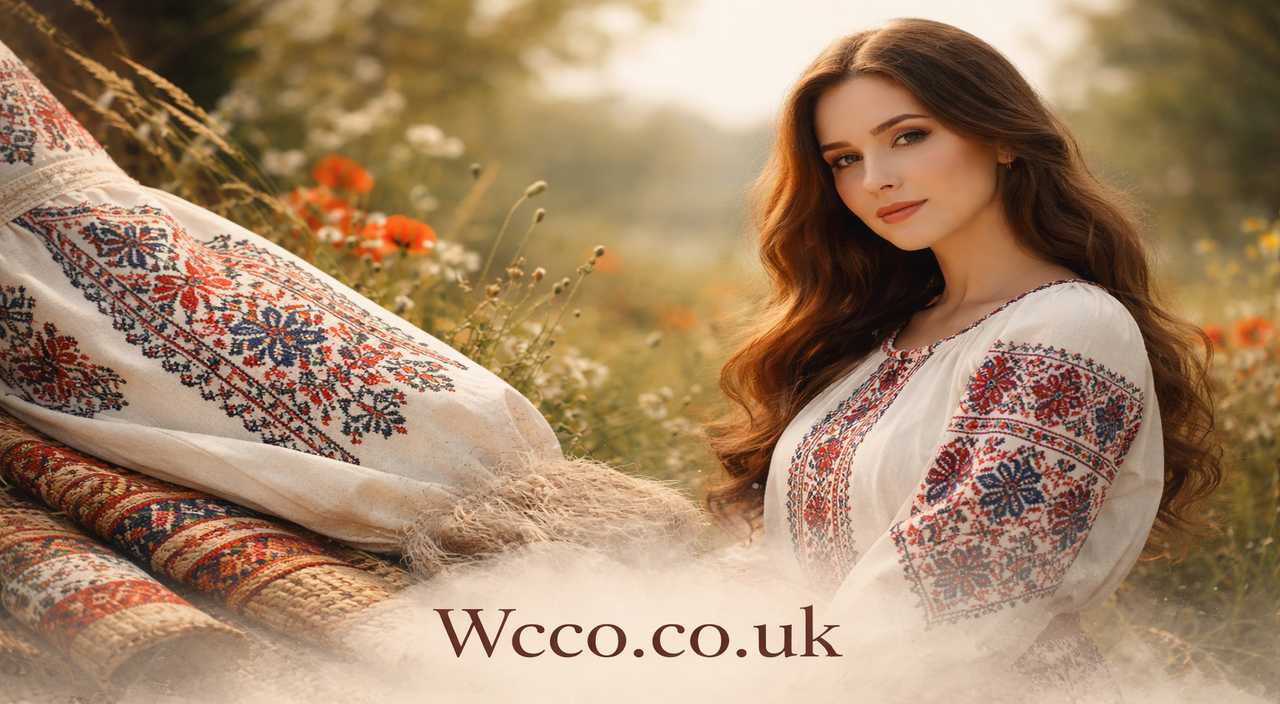
Portar leisa is a special phrase from Romania that means to wear the traditional blouse known as the ie. This practice goes beyond just putting on clothes. It connects people to their roots and shows respect for old ways. Many see it as a way to carry history on their shoulders. In this guide, you will learn all about portar leisa, from its past to how you can try it today. We cover every part to help you understand and enjoy this beautiful custom.
What is Portar Leisa?
Portar leisa comes from Romanian words where “porta” means to wear or carry, and “leisa” points to the ie blouse. The ie is a handmade shirt with detailed stitches on the sleeves, neck, and front. Women make these from natural fabrics like linen or hemp. Each one tells a story through its patterns. People wear it during special times like holidays or weddings. It stands for pride in one’s background. If you want to start with portar leisa, look for a real ie from Romanian makers. This keeps the tradition alive and supports local workers.
The ie blouse in portar leisa is not just any top. It has loose sleeves and a simple cut that fits many body types. The stitches use threads in colors like red, black, and blue. These designs come from nature and old beliefs. For example, some show trees or suns. Wearing it feels like wrapping yourself in art. Beginners can pair it with plain pants for a start. Over time, you can add more traditional pieces. This way, portar leisa becomes part of your daily style while honoring its origins.
The History of Portar Leisa
Portar leisa has deep roots in Romania’s past, going back to the Dacian people who lived there long ago. These early folks made simple clothes from what they grew, like flax plants. Over centuries, the ie became a key part of women’s lives. Girls learned to sew their own as they grew up. It marked important moments, such as getting married or having children. In villages, women gathered to stitch and share stories. This built strong bonds. Today, museums show old ies to teach about this history. Learning it helps you value portar leisa more.
In the 19th century, portar leisa spread as Romania formed its identity. Queens and artists wore the ie to show national pride. It even inspired painters and writers. During hard times, like wars, people kept the tradition to hold onto hope. Now, groups work to save these skills from fading. Workshops teach young people how to make ies. If you visit Romania, you can see live shows of this craft. Understanding this timeline makes wearing portar leisa feel like joining a long line of strong women.
Will You Check This Article: The Complete Guide to Doujin Moe
Cultural Significance of Portar Leisa
Portar leisa holds great meaning in Romanian culture as a link to family and land. The ie is seen as a guard against bad luck, with stitches placed on spots like the neck to protect the wearer. It brings people together at events where everyone wears their best ies. This creates a sense of belonging. For those living away from Romania, portar leisa keeps them tied to home. It fights against quick fashion by promoting items that last. Supporting it helps small towns stay alive through craft sales.
Beyond protection, portar leisa stands for women’s power and skill. In old days, a well-made ie showed a woman’s talent and care. Families passed them down, like treasures. Today, it appears in fashion shows and art. Celebrities wear modern versions to spread awareness. This keeps the custom fresh. If you practice portar leisa, you join a global group that values real handmade work. It teaches patience and respect for nature, since materials come from the earth.
Understanding the Ie Blouse: Materials and Designs
The ie blouse in portar leisa uses natural materials that breathe well and last long. Linen comes from flax plants, grown without much water. Hemp is another choice, strong and kind to the skin. Makers weave the fabric by hand or on old looms. Then, they cut simple shapes: a rectangle for the body, with added sleeves. Designs focus on even stitches. Tools include needles, threads from cotton or silk, and frames to hold the work steady. Starting your own ie needs basic sewing skills, but classes can help.
Designs in portar leisa vary by purpose. Some have thick lines for everyday wear, others fine details for special days. Colors matter too: white base with bright accents. Patterns fill the front panel, called altiță, and run down arms. Each stitch takes hours, making the ie valuable. If you buy one, check for hand-sewn marks, not machine ones. This ensures it’s real. Caring for materials keeps the blouse looking new for years.
Symbolic Meanings in Portar Leisa Embroidery
Embroidery in portar leisa carries hidden messages through shapes and colors. Suns stand for life and warmth, often in red for energy. Trees show growth and family ties, linking past and future. Waves mean clean starts, like river water. Birds fly for freedom or the spirit. Protective signs, like wolf teeth, ward off harm. Black threads connect to the soil, blue to the sky. White means pure thoughts. Choosing a design lets you pick what matters to you. This makes each ie personal.
Colors in portar leisa add layers of meaning. Red sparks passion and health. Gold brings wealth vibes. Green nods to nature’s bounty. Makers pick based on the wearer’s needs, like fertility for new brides. Learning these symbols helps you read an ie like a book. When you wear one, you carry these wishes. Share the stories with others to spread the knowledge. This keeps the meanings strong in modern times.
Regional Variations in Portar Leisa
Portar leisa changes across Romania’s areas, each with its style. In Maramureș, ies have bold black and red geometric shapes, sturdy for mountain life. Moldavia uses soft flowers in many colors, showing fertile lands. Transylvania adds metallic threads for shine, influenced by neighbors. Oltenia features vines and fruits, tied to wine regions. Checking the region helps pick an ie that fits your taste. Travel to these places to see local makers at work.
Each variation in portar leisa tells about the land and people. Northern ones use wool for warmth, southern lighter fabrics. Patterns pass down families, like secrets. Collectors seek rare types. If you own multiple, mix them for fun looks. Understanding regions deepens your love for portar leisa. It shows Romania’s rich mix of influences over time.
How to Wear Portar Leisa Traditionally
To wear portar leisa the old way, start with the ie tucked into a wool skirt called fotă. Add a belt for hold. Cover your head with a scarf, or basma, in matching colors. Finish with leather shoes, opinci, that tie up. This full outfit suits dances or feasts. Stand tall to show the designs. Practice at home to feel at ease. Groups in Romania teach steps for events. This honors the past fully.
Accessories in traditional portar leisa keep it simple. Beads or coins add jingle. Hair stays neat under the scarf. Men have their versions too, but ies shine on women. Wear during national days for unity. Photos from events capture the joy. Trying this builds confidence in cultural dress.
Related: Gayfirir: A Complete Guide to Understanding and Celebrating This Vibrant Movement
Modern Ways to Incorporate Portar Leisa
Bring portar leisa into today by mixing the ie with jeans for casual days. Layer under a jacket for work. Pair with long skirts for evenings. Keep jewelry low to let the stitches stand out. Fashion brands now make updated ies with shorter sleeves. This makes it easy for city life. Share your looks online to inspire others. It blends old and new without losing meaning.
For special times, use portar leisa in weddings with white ies and veils. Or at parties with bold colors. Kids can wear small versions for school plays. This passes the custom on. Designers fuse it with other styles, like Asian prints. Experiment to find your way. It keeps portar leisa alive and fun.
Caring for Your Ie Blouse
Care for your ie in portar leisa by hand-washing in cool water with mild soap. Avoid machines that pull threads. Dry flat in shade to keep colors bright. Iron on low heat inside out. Store folded in a cool spot, away from bugs. Use cedar to protect. Fix small tears quick to stop bigger problems. This makes it last for generations. Regular care shows respect for the work put in.
If stains happen in portar leisa wear, spot clean gently. For old ies, seek experts for fixes. Air them out sometimes. This keeps fabric fresh. Teaching kids care routines builds family bonds. Good habits mean your ie stays a prized item.
Where to Buy Authentic Portar Leisa Items
Find real ies for portar leisa from Romanian shops or online from makers. Look for labels saying handmade. Markets in Bucharest or villages offer fresh ones. Groups like craft co-ops ensure fair pay. Avoid cheap copies from big stores; they lack soul. Prices start at $50 for simple, up to $300 for detailed. Ask about the maker’s story. This adds value.
Travel to fairs for portar leisa buys. See demos and try on. Online, check reviews and photos. Some sites ship worldwide. Support ethical sources to help communities. Building a collection grows your knowledge.
Benefits of Embracing Portar Leisa Today
Embracing portar leisa boosts your style with unique pieces. It connects you to a culture full of stories. Wearing it supports green practices, as natural materials harm less. You gain skills if you learn to sew. It builds pride in heritage, even if not Romanian. Friends notice and ask questions, starting talks. In a fast world, it slows you down to appreciate handwork.
Portar leisa aids mental health by linking to traditions. It fights loneliness through community events. Economically, it helps rural jobs. For the planet, it cuts waste from throwaway clothes. Start small, and see how it changes your view. This practice enriches life in many ways.

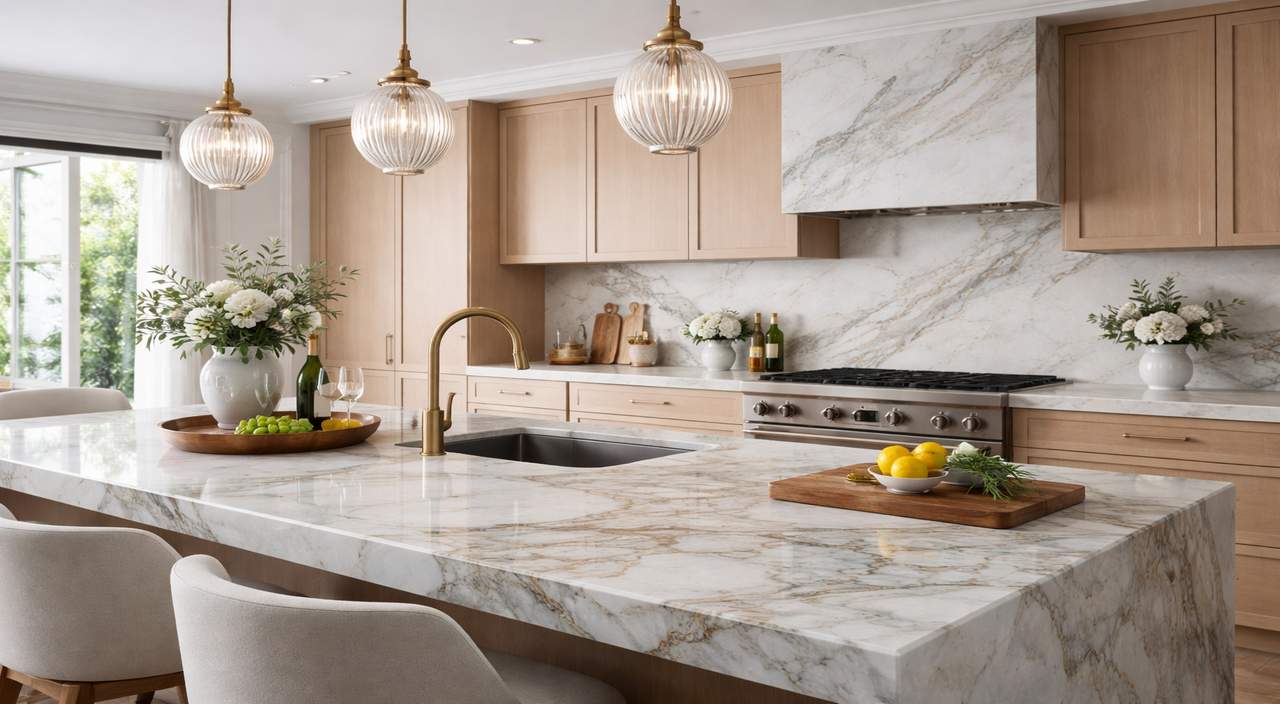
In the world of high-end kitchen design, the quest for a surface that seamlessly blends breathtaking beauty with formidable strength is never-ending. While granite and engineered quartz have long been popular contenders, a natural stone has been steadily rising to the forefront, captivating homeowners and designers alike: quartzite. Far more than just a “pretty face,” quartzite worktops represent a compelling fusion of geological drama and practical resilience. This article delves into the essence of quartzite, exploring its unique characteristics, benefits, considerations, and care, to help you determine if this remarkable stone is the destined centerpiece for your culinary space.
The Geological Marvel: What is Quartzite?
To truly appreciate a quartzite worktop, one must understand its extraordinary origin story. Quartzite begins its life as humble sandstone, composed primarily of quartz grains. Over millions of years, through immense heat and pressure deep within the earth’s crust, these grains are fused together in a process called metamorphism. The result is a supremely hard, non-foliated rock that is, in essence, nature’s own engineered stone a monolithic slab of nearly pure quartz. This dramatic genesis is key to its performance; unlike softer marbles or even some granites, quartzite’s crystalline structure grants it exceptional density. It’s crucial to distinguish it from engineered quartz, a man-made composite of crushed quartz and resins. While both are excellent, quartzite offers the unique, unrepeatable veining and color shifts of a natural stone, with each slab being a one-of-a-kind piece of planetary history.
Unrivalled Durability and Heat Resistance
The metamorphic process bestows upon Quartzite worktops a legendary toughness that is a primary draw for busy kitchens. On the Mohs scale of mineral hardness, quartzite typically ranks between a 7 and 8, placing it just below diamonds and corundum (sapphires/rubies). In practical terms, this translates to a remarkable resistance to scratching. You can chop, prep, and place cookware directly on its surface with far less anxiety than with many other materials. Furthermore, quartzite is exceptionally heat resistant. While always recommended to use trivets for extreme temperatures, its natural composition allows it to withstand hot pots and pans better than engineered quartz, whose resin binders can be damaged by high heat. This combination makes it a dream surface for those who love to cook and entertain, offering a fortress-like durability that stands up to the rigors of daily life while maintaining its elegant appearance.
A Palette of Breathtaking, Natural Beauty
If durability provides the compelling argument, the aesthetics of quartzite deliver the knockout punch. Quartzite worktops are celebrated for their stunning visual depth and movement. They often feature soft, ethereal backgrounds in shades of white, grey, silver, or pale gold, swept through with dramatic, painterly veining in tones of charcoal, blue, rust, or gold. The patterns can range from bold, Carrara-marble-like swirls to delicate, feathery filaments, offering a look that many desire from marble but with significantly greater resilience. This natural artistry ensures no two kitchens are alike. Slabs like White Macaubas, Taj Mahal, or Sea Pearl have become iconic, offering a luxurious and timeless appeal that can elevate the entire design scheme of a kitchen, from modern minimalist to rustic farmhouse.
Maintenance and Sealing: The Essential Care Regimen
While quartzite is incredibly hard, it is not entirely impervious. Its porosity can vary, but most quartzite worktops require an initial sealing with a high-quality, penetrating sealer upon installation. This sealant fills the microscopic pores in the stone, creating a barrier against stains from oils, wines, or acids like lemon juice and vinegar. Unlike the near-zero maintenance of engineered quartz, quartzite does demand this periodic commitment typically resealing once a year to maintain its optimal stain resistance. Daily care, however, is straightforward: clean with mild soap and warm water, and avoid harsh abrasive cleaners or acidic solutions that could degrade the sealant over time. With this simple regimen, your quartzite surface will retain its luminous beauty for decades.
Quartzite vs. The Alternatives: Making an Informed Choice
The decision often comes down to quartzite versus its two main rivals: granite and engineered quartz. Granite offers similar natural variation and good hardness but can be less consistent in pattern and may not achieve the same luminous, marble-like aesthetic many seek with quartzite. Engineered quartz provides unparalleled uniformity, a vast array of consistent colors, and requires no sealing, but it cannot match quartzite’s natural depth, unique patterning, or its superior heat resistance. Quartzite occupies a prestigious middle ground: it offers the authentic, geological artistry of natural stone with a hardness that frequently surpasses granite and a heat tolerance that outclasses engineered quartz. It is the choice for those who refuse to compromise between uncompromising beauty and formidable function.
Conclusion: An Investment in Timeless Elegance
Choosing a quartzite worktop is an investment, not just in your home’s financial value, but in the daily experience of your kitchen. It is a commitment to a surface that tells a story a narrative of ancient geological forces captured in stone. It promises a backdrop for family meals, creative cooking, and cherished gatherings that will only grow more beautiful with time, developing a soft patina of life lived well. While it asks for a modest degree of care in return, it rewards you with a breathtaking, durable, and uniquely personal focal point. In the symphony of kitchen design, quartzite is not just another note; it is a enduring, natural masterpiece that performs brilliantly, season after season.
Read more on WCCO

Moving across the country is one of life’s most significant transitions. Whether you’re relocating from New York to California or Texas to Washington, a well-organized approach can transform a potentially stressful experience into an exciting new chapter. This comprehensive guide will walk you through everything you need to know about cross country moving, complete with state-specific considerations and expert advice from professional long distance moving companies.
Understanding Cross Country Moving: What Makes It Different
Cross country moving differs significantly from local relocations. When you’re moving hundreds or thousands of miles away, you’re dealing with multiple state regulations, longer transit times, and more complex logistics. Professional cross country movers specialize in these unique challenges, offering services that go beyond simply loading a truck.
Long distance moving companies like Jordan River Moving understand that interstate moves require meticulous planning, proper licensing, and expertise in navigating different state requirements. Unlike local moves that might take a few hours, cross country moving can span several days or even weeks from start to finish.
8 Weeks Before Moving Day: The Planning Phase
Research and Hire Cross Country Movers
Start your journey by researching reputable long distance moving companies. Look for movers with:
- Valid USDOT and MC numbers (required for interstate moves)
- Positive customer reviews and Better Business Bureau ratings
- Transparent pricing with written estimates
- Proper licensing in both your origin and destination states
- Comprehensive insurance options
Request in-home estimates from at least three cross country movers. During these consultations, ask about their experience with your specific route, storage options, and any state-specific requirements.
Create Your Moving Budget
Cross country moving costs vary based on distance, volume, and services required. Your budget should include:
- Professional moving services or truck rental
- Packing materials and supplies
- Travel expenses (hotel, gas, meals)
- Utility deposits and connection fees
- Vehicle shipping (if applicable)
- Storage costs (if there’s a gap between move-out and move-in dates)
- Emergency fund (plan for 10-15% over your estimate)
Begin Decluttering and Downsizing
The less you move, the less you pay. Cross country moving is the perfect opportunity to minimize your belongings:
- Sort items into keep, donate, sell, and discard categories
- Host a garage sale or list items online
- Donate usable items to local charities
- Dispose of hazardous materials that can’t be transported across state lines
6 Weeks Before Moving Day: Documentation and Logistics
Gather Important Documents
Create a moving folder (physical or digital) containing:
- Lease agreements or closing documents
- Driver’s licenses and identification
- Medical records and prescriptions
- School records and transcripts
- Vehicle registration and insurance
- Financial documents and bank statements
- Pet vaccination records
- Insurance policies
Update Your Address
Begin the address change process with:
- United States Postal Service (forward mail 2-4 weeks before your move)
- Employer and the human resources department
- Banks and credit card companies
- Insurance providers (health, auto, life, home)
- Subscription services
- Professional licenses and memberships
- Voter registration
Research Your Destination State
Different states have varying requirements and timelines for newcomers. Here’s what you need to know:
Driver’s License and Vehicle Registration Timeline by State:
- California: 10 days to register vehicles, 10 days for driver’s license
- Texas: 30 days for vehicle registration, 90 days for driver’s license
- Florida: 30 days for both vehicle registration and driver’s license
- New York: 30 days for vehicle registration, no specific timeline for license transfer
- Washington: 30 days for vehicle registration, no specific deadline for driver’s license
- Colorado: 90 days for vehicle registration, no specific deadline for license
- North Carolina: 60 days for vehicle registration, 60 days for driver’s license
- Arizona: 15 days for vehicle registration, 10 days for driver’s license
State-Specific Moving Considerations:
Some states have unique requirements that long distance moving companies may not handle for you:
- California: Vehicles entering the state must pass emissions testing at border inspection stations
- Hawaii: Strict agricultural inspection and quarantine requirements for plants and pets
- Alaska: Limited road access; many moves require ferry or air transport
- Florida: High humidity requires special packing considerations for electronics and wooden furniture
- Arizona and Nevada: Extreme heat can affect certain items during summer moves
Frequently Asked Questions About Cross Country Moving
1. How much does it cost to hire cross country movers?
The average cost for long distance moving companies ranges from $2,000 to $5,000 for a typical 2-3 bedroom home moving across the country. For a cross country move from coast to coast (approximately 3,000 miles), expect to pay $4,000-$8,000 for a 3-bedroom home with full-service movers.
2. How far in advance should I book cross country movers?
Book long distance moving companies 6-8 weeks in advance, especially if moving during peak season (May-September). For off-season moves, 4-6 weeks is typically sufficient.
3. How long does cross country moving take?
Transit time with professional cross country movers typically ranges from 3-14 days, depending on distance, route, weather conditions, and type of service.
Read more on WCCO
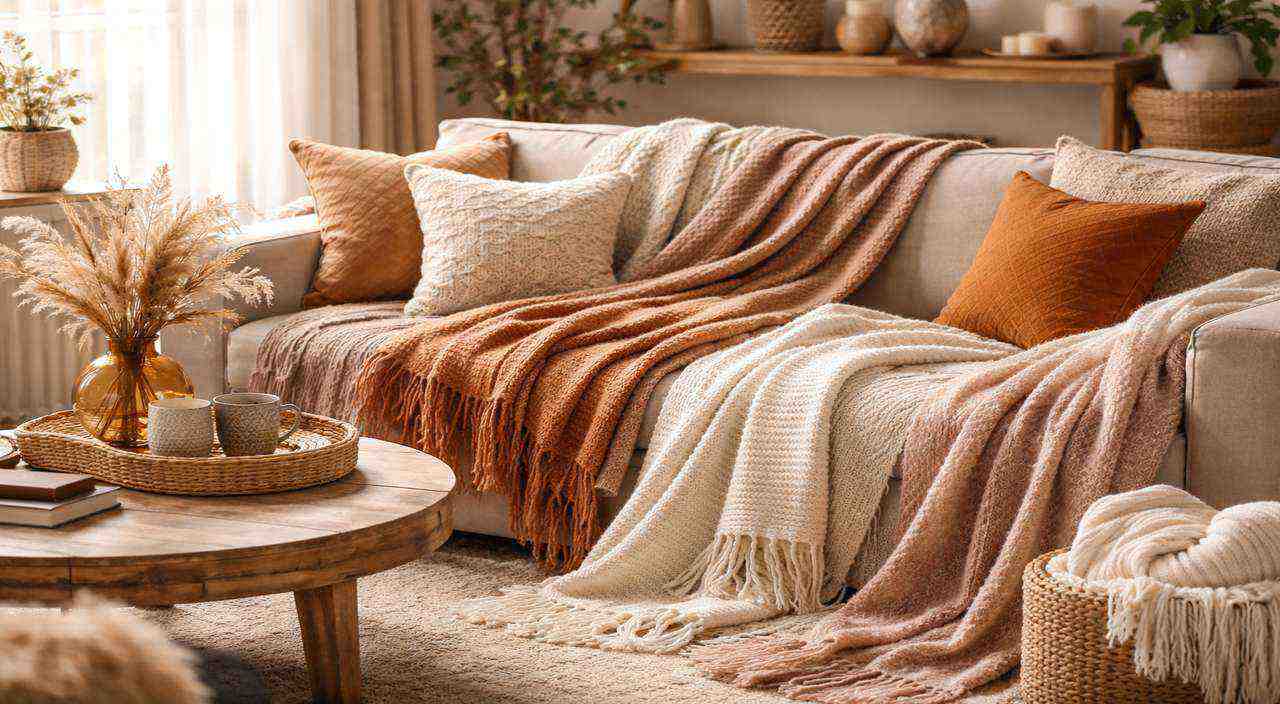
The concept of “home” has seen a paradigm shift in recent times. We have seen a change in how people, especially modern homeowners perceive home. Our living spaces are not just a residing place, but have become more personal and expressive and it reflects in the items we introduce in our homes. They are not just utilities, but reflect our identity.
For example, unique throw blankets are not just a piece to be put back on the sofa. They have become functional decor statements. Today, we have moved from mass-produced throws to designer-inspired pieces that offer comfort and sublime visual appearance.
Why are throw blankets considered unique in 2026? Because modern throw blankets are the combination of high-concept design, sustainable craftsmanship, and sensory styling. These soft throws for the couch are not just utility pieces, but enhance the overall appeal of the home.
Defining Uniqueness in Modern Throw Blankets
If you want to know why throw blankets are unique today, we must look beyond price tags. Modern throw blankets are defined by there pillers:
- Textual Complexity: Homeowners now prefer sculpted fabrics to experience the 3D effect of the material.
- Artisanal Craftsmanship: A unique throw carries the marks of the manufacturer and ensures that no two pieces are identical.
- Purposefully Design: When you choose a stylish throw blanket, you choose a blanket that is designed with a specific mood. Some offer architectural structure to a chair, while others are designed for deep-pressure relaxation.
2026 Throw Blanket Trends Redefining Home Comfort
Throw blanket trends in 2026 prioritize longevity over fashion for the home. Let’s deep dive into it.
Elevated Neutrals and Earthy Tones
While homeowners still prefer vibrant colors,neutral throw blankets in different shades like warm stone, terracotta, and deep loss are popular currently. They offer a tone of grounding and calmness. They are considered the best throws for living room spaces that give a mesmerizing look to the room.
Statement Textures
You will find ribbed, woven, and sculpted looks in modern homes. However, textured throw blankets are the new normal, thanks to their aesthetic appeal. They add depth to a room without needing loud patterns. You can also go for thick chunky baskets or waffle patterns that look rich and create shadows to add a designer feel.
Handcrafted and Artisan-Inspired Throws
Today, patterned throw blankets are highly popular as they can utilize ikat, jacquard, or block-printing methods, serving as functional art and bridging the gap between a textile and a tapestry.
Lightweight, Year-Round Throws
Homeowners have shifted to climate-conscious living, leading to a rise in lightweight throw blankets that are trans-seasonal. These throw blankets offer comfort in the summer under air-conditioning and layering potential in winter.
Fabric Choices That Set Throw Blanket Apart
We all love the feel of the fabric and consider it a parameter while choosing bedding solutions. The choice of material determines whether a throw is a seasonal accessory or a lifetime companion.
- Natural Fibers: Cotton and linen blends are the gold standard for breathable throw blankets. Their breathability and temperature regulation properties make them ideal for throw blankets for sofa throughout the year.
- Performance Blends: You can also incorporate performance blends that mimic silk or will, but offer machine washable durability. You can go for a Madison Park bedding set as they are lightweight, durable, and easy to maintain.
- The Luxury of Faux: High-density luxury faux fur throws are also popular, thanks to a new level of realism they bring on the table. They are cozy and comfortable and suitable for modern homes.
- The Weight Factor: Should you go for lightweight Vs Cozy textures? The answer lies on your internal thermostat. Homeowners now prefer easy-care luxury blends over high-maintenance fabrics that offer the same buttery feel without worrying about the maintenance part.
Styling Throw Blankets for a Curated Lived-In Look
Just buying decorative throw blankets is not enough, their placement also matters to achieve the lived-in, Pinterest-worthy look.
Living Rooms Sofas and Accent Chairs
Don’t just think of the sofa when it comes to placing throw blankets. Think of something out-of-box like casually tossing over one corner to create an inviting environment. If you have a leather chair in your bedroom or living room, a statement throw blanket with a rougher texture offers a beautiful visual contrast against the smooth hide.
Bedroom Layering
In a bedroom, you can layer it up to transform them into a sanctuary. You can place a unique throw blanket at the foot of the bed, layered over your duvet or you can fold it neatly for a hotel-like look.
Reading Corners and Home Offices
For reading corners and home offices, you can use a cozy throw to put there to add warmth during long calls. It will soften the corporate look of the home office.
Choosing Throws That Fit Your Everyday Life
Make sure that you choose throws that define your personality and lifestyle. A luxury throw blanket is good only if it survives your daily routine.
- Minimalist Homes: You can go for monochromatic textured throw blankets to keep the space serene and beautiful, but not boring.
- Family-Friendly Spaces: Don’t compromise on durability. Go for cotton-based decorative throws for couch that are easy to maintain and don’t lose texture after repeated washes.
- Small Apartments: For small apartments, you can go for a lightweight throw blanket that can add an extra layer on the bed at night and a stylish wrap while watching TV.
Using Throw Blankets to Express Personal Style
Don’t forget your personality and style while choosing throw blankets. You can go for neutral or statement throw blankets that define your style and personality.
Think of balance between style and comfort and always try to bridge the gap. For example, for a flat room, go for a patterned throw to introduce a new color story without the need to paint a wall. Similarly, if your sofa has a small-scale print, go for a throw with a large, bold pattern.
A Smart Buyer’s Guide for 2026: What to Look For
- Material Quality: Never compromise on material quality as it will determine the comfort and durability. Go for long-staple cotton or high-grade synthetic fibers.
- Weight and Seasonality: Go for lightweight, luxury throw blankets that can be used throughout the year.
- Durability: Check the edges and make sure that they are reinforced.
- Versatility: Can you move the blanket from the bedroom to the living room seamlessly?
- Design Longevity: Does it offer a timeless aesthetic appeal or will fade away after a few washes?
Common Mistakes: What Can Make a Throw Feel Ordinary?
Even the most expensive luxury throw can fail to serve the core purpose if chosen poorly. Avoid these pitfalls.
- Overmatching: Don’t buy a throw of the color of your sofa. It will not look good and appealing. Aim for at least one or two shades lighter or darker.
- Ignoring Feel: How does it feel when you touch the throw? Does it feel good or scratchy? Don’t go for scratchy throws that will feel dull and uninvited.
- Trend-Only Designs: It is not wise to just follow trends like ultra-neon or specific novelty shapes.
Frequency Asked Questions
What makes a throw blanket unique?
In 2026, uniqueness of a throw blanket can be determined by artisanal details, unconventional textures, and sustainable and durable materials. You need to choose a piece that does not just serve the utility purpose, but acts as a focal point of the room with its charming and stylish design and appearance.
Are throw blankets still trending in 2026?
Yes. Throw blankets are not just simple accessories, but essential elements of a stylish and modern home. As people spend more time at home, they look for stylish throw blankets that provide aesthetic value and physical comfort.
Can throw blankets be used year-round?
Yes, modern throw blankets can be used year-round as they are made of natural materials like cotton, bamboo, or linen blends. They are lightweight and are perfect for summer. For year-round use, go for breathable materials that can regulate.
How do I style throw blankets without cluttering a space?
Don’t use multiple small blankets and make the room cluttered. Just use one statement throw blanket as a focal point. Fold it for formal spaces and drape for casual areas.
What materials are best for everyday throw blankets?
If you want to use it daily, you can go for cotton blends as they offer a balance of softness, breathability, and machine-washability. Some homeowners also go for high-quality luxury faux fur throws that offer premium durability and warmth.
Conclusion: Why 2026 Is the Year of Thoughtful Comfort
While decorating your home, you must have one thing in mind- transform it into a sanctuary. Throws can help you achieve the style and comfort you look for. Made from natural cotton, bamboo, or linen blends, they regulate temperature and give an ultra-rich look to the space. They perfectly balance the comfort and look to make your space more vibrant, relaxing, and rejuvenating.
Focus on individuality, material integrity, and versatile design to transform your bedroom or living room into a place where you can unwind.
Read more on WCCO

Virginia Charter Bus & Minibus Rental: Comfortable and Reliable Group Transportation

Is Trade 1000 Urex Legit? Honest Review of AI Crypto Bot for 2025

Tax and Finance Guide for Self-Employed Barristers in the UK

A Complete Guide to UploadArticle.com: Your Platform for Sharing Articles Online

Understanding 123safe67: A Full Guide to Better Online Protection

seo companies 2025 aelftech com – A Close Look at Services & Results
-
 Business6 months ago
A Complete Guide to UploadArticle.com: Your Platform for Sharing Articles Online
-
 Tech5 months ago
Understanding 123safe67: A Full Guide to Better Online Protection
-

 Lifestyle6 months ago
Understanding Archivebate: A Full Guide to the Webcam Archive Platform
-
 Tech6 months ago
seo companies 2025 aelftech com – A Close Look at Services & Results
-

 Tech5 months ago
Progressive Web Apps vs Native Mobile Apps: Which Should Dubai Businesses Choose?
-

 Tech6 months ago
Understanding Crackstube: A Complete Guide to the Term, Sites, and Safe Choices
-

 Business6 months ago
Brisbane Local SEO Companies Aelftech Com: A Complete Guide to Top Services in 2026
-
 Business6 months ago
The Ultimate Guide to UploadBlog Guest Post: Everything You Need to Know