Finance
Understanding Onnilaina: A Complete Guide to Happy Loans

What is Onnilaina?
Onnilaina stands out as a fresh approach to borrowing money online, mainly in Finland. It mixes the idea of happiness with loans, creating a positive way to handle finances. People use onnilaina when they need quick cash without the hassle of old-style banks. This system focuses on making the process smooth and stress-free. Borrowers feel good about their choices because it offers clear terms and fast approvals. In a world where money matters can cause worry, onnilaina brings a sense of relief and control.
The term onnilaina comes from two Finnish words: “onni,” which means luck or happiness, and “laina,” which means loan. Together, they suggest a “happy loan” or “lucky loan.” This name reflects the goal of providing financial help that feels positive rather than burdensome. In Finland, where community support has deep roots, onnilaina builds on traditions of helping each other with money. It turns those old ideas into a modern digital service. Users appreciate how it combines cultural values with today’s tech for better access to funds.
Onnilaina operates as a digital platform where people can apply for loans from their phones or computers. It connects borrowers with lenders through secure online systems. Unlike traditional banks, it uses smart algorithms to check applications quickly. This means decisions happen in minutes, not days. The platform ensures all transactions follow strict rules to protect users. For many, onnilaina represents a shift toward more inclusive finance, where anyone with basic qualifications can get support without long waits or piles of paperwork.
History and Origins of Onnilaina
The roots of onnilaina go back to Finland’s history of informal lending among friends and family. In small communities, people would lend money based on trust, without formal agreements. This practice built strong bonds and helped during tough times. Over years, as technology grew, these ideas evolved into digital tools. Onnilaina emerged as a way to keep that community spirit alive in the online world. It started gaining attention around the early 2020s, when fintech companies saw the need for faster, happier borrowing options.
As Finland embraced digital innovation, onnilaina became a symbol of blending old customs with new tech. Peer-to-peer lending platforms inspired its growth, allowing direct connections between lenders and borrowers. This cut out middlemen and reduced costs. Cultural values like trust and mutual aid shaped its design. Today, onnilaina platforms use advanced security to maintain that trust in a virtual setting. Its popularity spread because it addressed common frustrations with banks, like slow processes and high fees.
Onnilaina’s rise ties to broader changes in global finance. In Finland, strict regulations ensure fair practices, which helped onnilaina thrive. It appeals to younger generations who prefer apps over bank visits. The concept has influenced similar services in other countries, showing how local ideas can go international. Understanding its origins helps users see why onnilaina emphasizes positivity and efficiency in every step.
How Onnilaina Works
To start with onnilaina, users visit a platform’s website or app and create an account. They provide basic details like name, address, and income proof. The system then asks for the loan amount and purpose. Advanced checks verify identity and credit history in real time. This process uses secure data links to banks and credit agencies. Once approved, funds transfer directly to the user’s account, often within hours. Repayments happen through automatic deductions or manual payments, with clear schedules to avoid surprises.
Eligibility for onnilaina requires being a Finnish resident, over 18 years old, and having a steady income. Platforms check credit scores but are more flexible than banks. They look at overall financial health, not just past mistakes. Some onnilaina services offer options for those with lower scores, with higher interest to cover risks. Users must provide bank statements or tax documents for verification. This ensures responsible lending and helps prevent over-borrowing.
The technology behind onnilaina includes AI for risk assessment. It analyzes data patterns to predict repayment ability. Blockchain adds security for transactions, making them tamper-proof. Mobile apps make it easy to track loans and make payments on the go. Customer support is available via chat or phone for any issues. This setup makes onnilaina user-friendly, even for those new to online finance.
Benefits of Onnilaina
One key benefit of onnilaina is its speed. Traditional loans can take weeks, but onnilaina approvals come in minutes. This helps in emergencies, like car repairs or medical bills. Users avoid long lines and endless forms. The convenience of applying from home saves time and effort. Many platforms operate 24/7, so help is always available. This flexibility fits busy lives, making financial management less stressful.
Security stands as another strong point for onnilaina. Platforms use encryption to protect personal data. They follow EU regulations for privacy and fair lending. Two-factor authentication adds extra layers of safety. Users get alerts for any account activity. This builds confidence, especially for first-time borrowers. Compared to informal loans, onnilaina offers legal protections and clear terms, reducing risks of disputes.
Onnilaina promotes financial inclusion. It reaches people underserved by banks, like freelancers or those in remote areas. Lower minimum loan amounts make it accessible for small needs. Transparent fees mean no hidden costs. Users can compare options easily online. This empowers better decisions and improves financial literacy. Overall, onnilaina turns borrowing into a positive experience that supports personal goals.
Types of Onnilaina Loans
Personal loans through onnilaina suit everyday needs, like home improvements or vacations. They range from small amounts to larger sums, with terms from months to years. Interest rates depend on credit and loan size. Users choose fixed or variable rates for predictability. These loans require no collateral, making them easy to get. Platforms guide on selecting the right amount to avoid debt traps.
Some onnilaina services offer business loans for small enterprises. Entrepreneurs use them for startup costs or expansion. Approval focuses on business plans and revenue potential. Rates are competitive, with flexible repayments tied to cash flow. This helps new businesses grow without heavy bank scrutiny. Documentation includes business registrations and financial projections. Onnilaina makes funding quicker, boosting economic activity in Finland.
Specialized onnilaina loans cover education or green projects. Student loans help with tuition or living costs, with grace periods after graduation. Eco-loans support sustainable purchases, like solar panels, often with lower rates. These types align with societal values, encouraging positive changes. Users benefit from tailored advice on the best fit for their situation.
Comparing Onnilaina to Traditional Loans
Traditional bank loans involve in-person visits and stacks of paperwork. Onnilaina skips this with online forms and digital uploads. Banks often require collateral, while onnilaina relies on credit checks. Approval times differ greatly: banks take days or weeks, but onnilaina is instant. This speed makes onnilaina ideal for urgent needs. However, banks might offer lower rates for large loans due to their stability.
Interest rates in onnilaina can be higher because of the convenience and risk. Banks have stricter criteria, leading to safer borrowers and lower costs. Onnilaina platforms offset this with no-fee applications and easy comparisons. Customer service in banks is face-to-face, which some prefer. Onnilaina uses digital support, which is faster but less personal. Choosing depends on priorities like speed versus cost.
Flexibility sets onnilaina apart. Users adjust loan terms online without renegotiating. Traditional loans lock in conditions early. Onnilaina allows early repayments without penalties on many platforms. This saves money on interest. For those comfortable with tech, onnilaina offers more control. Traditional options suit those who value established institutions and long-term relationships.
Tips for Applying for Onnilaina
Before applying for onnilaina, check your credit score. A good score leads to better rates. Fix any errors on your report first. Gather documents like ID, income proof, and bank statements. This speeds up verification. Read terms carefully to understand fees and repayment plans. Use calculators on platforms to see total costs. Apply only for what you need to keep payments manageable.
Compare multiple onnilaina providers. Look at interest rates, approval times, and user reviews. Choose ones with strong security and clear policies. Avoid applying to too many at once, as it can hurt your credit. Start with one or two reputable ones. Have a repayment plan ready, linking it to your budget. This prevents late fees and maintains good standing.
After approval, track your loan through the app. Set reminders for payments. If issues arise, contact support early. Build a positive history with onnilaina for better future terms. Consider building an emergency fund to reduce reliance on loans. These steps make onnilaina a smart tool for financial health.
Common Questions About Onnilaina
Many ask if onnilaina is safe. Yes, regulated platforms use high-level security and comply with laws. Check for licenses and read privacy policies. Another question is about eligibility without perfect credit. Onnilaina is more lenient, offering options for various scores. However, better credit means lower costs. People wonder about loan limits. They vary by platform, from a few hundred to thousands of euros, based on income.
What if I miss a payment? Onnilaina providers often have grace periods or restructuring options. Communicate early to avoid penalties. Fees apply for late payments, affecting credit. Can I get onnilaina if unemployed? Usually, steady income is required, but some accept benefits or part-time work. Always check specific rules. These answers help users make informed choices.
Concerns about data privacy are common. Onnilaina uses encrypted systems and only shares necessary info. Users control their data through settings. Is onnilaina available outside Finland? Some platforms expand, but core services focus there. International users might find similar concepts elsewhere. Understanding these points clears doubts and encourages responsible use.
The Future of Onnilaina
Onnilaina will likely grow with AI advancements. Smarter assessments could make approvals even faster and fairer. Integration with digital wallets will streamline payments. As fintech evolves, onnilaina might include crypto options or global lending. Regulations will adapt to protect users while fostering innovation. This ensures onnilaina remains a trusted choice.
Sustainability will shape onnilaina’s path. Platforms may prioritize green loans, supporting eco-friendly projects. Community features could enhance peer lending, building stronger networks. Education tools within apps will teach financial skills. Younger users will drive demand for mobile-first services. Onnilaina could set standards for positive borrowing worldwide.
Challenges like economic shifts might affect onnilaina. Platforms must stay adaptable. Partnerships with banks could blend best practices. Overall, onnilaina promises a brighter financial landscape, where happiness and loans go hand in hand. Staying informed helps users benefit from these changes.
Read more on WCCO


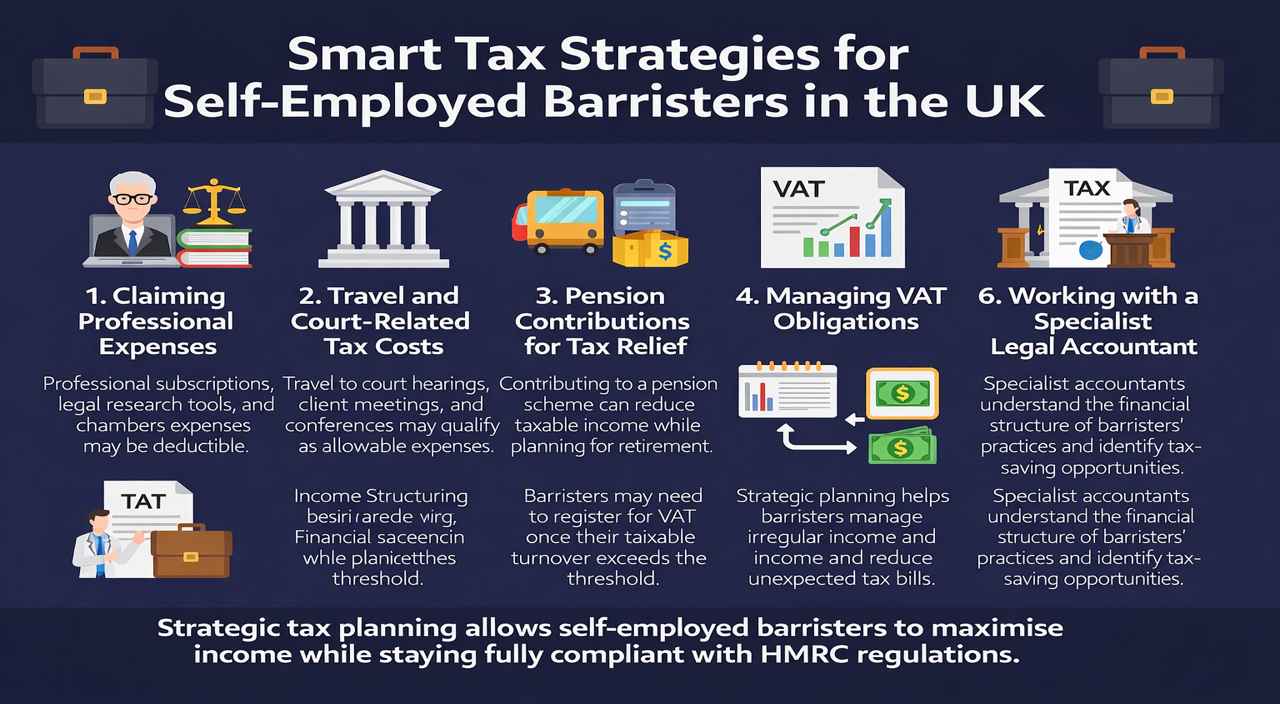
For a barrister, the courtroom is a place of precision, logic, and meticulous detail. Yet, many of the UK’s most brilliant legal minds find that the same level of mastery does not always translate to their own balance sheets. Being a self-employed barrister is, in essence, running a high-stakes boutique consultancy where you are the sole product, the service provider, and the administrative lead.
The financial life of the Bar is unlike almost any other profession. You face the “feast or famine” reality of irregular income, the frustration of delayed case payments from solicitors, and a VAT regime that can feel like a labyrinth. While your focus remains on winning the next case, the underlying pressure of tax compliance and cash-flow management can become a silent burden.
Whether you are a junior tenant just starting your practice or a seasoned Silk looking to optimize a substantial portfolio, understanding the financial architecture of your career is essential. This guide explores the core pillars of financial success for barristers, from managing “Payments on Account” to identifying the niche deductions that generalist accountants often miss.
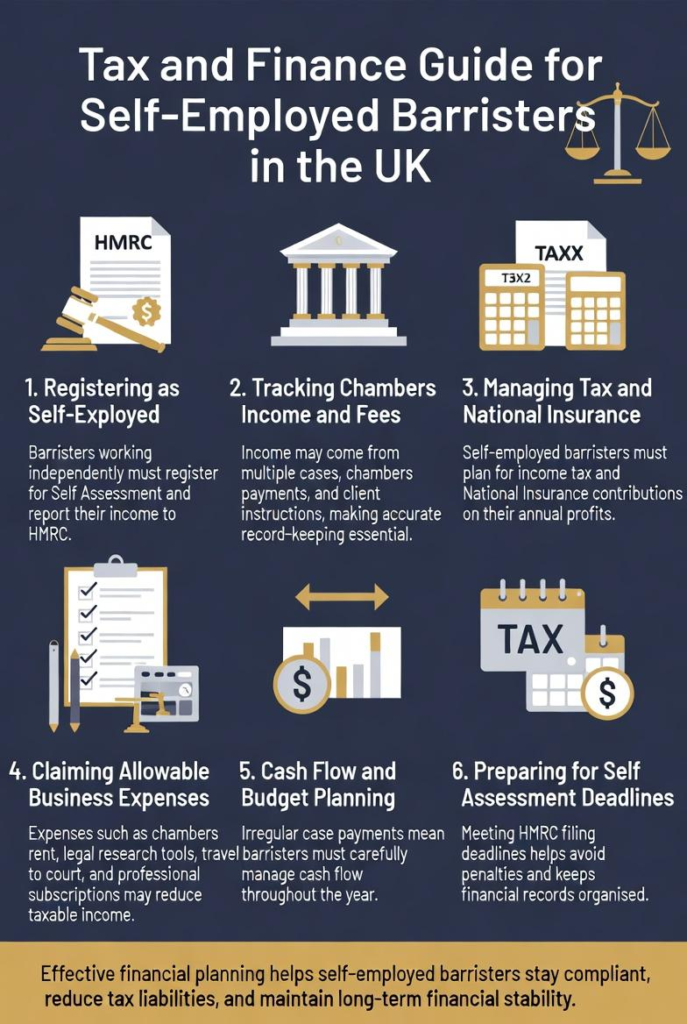
1. Understanding the Financial Structure of Barristers
How Barristers Work Financially
The vast majority of barristers in England and Wales are self-employed sole traders. Unlike many of your peers in the legal sector where accountants for solicitors often deal with partnership structures or limited companies, barristers generally cannot incorporate their practice. You operate as an independent contractor, usually within a “Chambers” structure.
The Relationship with Chambers
Chambers are not your employer; they are a service provider. You pay “chambers rent” or a percentage of your earnings to cover the cost of the building, administrative staff, and, most importantly, the clerks.
The Clerks and Billing
Your clerks are your primary business managers. They negotiate your “Brief fees” (the fixed fee for a case) and your “Refreshers” (daily court fees). However, while clerks are experts at billing, they are not tax advisors. They focus on billing income, but the responsibility for managing that income, setting aside tax, handling VAT, and preparing for retirement rests entirely on your shoulders.
Why Barristers’ Finances are Unique
The “delayed payment” culture in the legal industry is perhaps the greatest challenge. It is not uncommon for a barrister to perform work in January and not receive payment until July or even the following year. This disconnect between effort and reward makes traditional budgeting nearly impossible without expert intervention.
2. How Self-Employed Barristers are Taxed in the UK
As a self-employed professional, you fall under the HMRC Self-Assessment regime. Your tax is not deducted at source; instead, you pay tax on the profits your practice makes after allowable expenses are deducted.
Income Tax and National Insurance
You are subject to the standard UK progressive tax bands:
- Basic Rate (20%)
- Higher Rate (40%)
- Additional Rate (45%)
In addition to Income Tax, you must pay National Insurance Contributions (NICs). Following recent legislative changes, Class 2 NICs have been effectively abolished for most, but Class 4 NICs remain a percentage of your profits that must be factored into your annual liabilities.
The Self-Assessment Cycle
The tax year runs from 6 April to 5 April. The deadline for filing your digital return and paying your remaining tax for the previous year is 31 January. Missing this deadline results in immediate penalties, but for barristers, the real danger isn’t just the penalty .It is the “shock” of the bill itself.
3. Payments on Account: The “Double Bill” Surprise
If there is one area where junior barristers get caught out, it is Payments on Account. If your tax bill is more than £1,000, HMRC assumes you will earn at least the same amount next year. They require you to pay half of your next year’s estimated tax in advance.
The Scenario
Imagine it is your first full year of practice. You owe £20,000 in tax. On 31 January, you must pay:
- The £20,000 for the year you just finished.
- An additional £10,000 as the first “Payment on Account” for the upcoming year.
Suddenly, a £20,000 liability becomes a £30,000 cash requirement. Without a dedicated tax reserve, this can cause a significant cash-flow crisis. Expert financial planning involves calculating these “look-ahead” liabilities months in advance so there are no surprises when January arrives.
4. VAT Rules for Barristers: Timing is Everything
VAT is perhaps the most complex area of accounting for the Bar. Once your taxable turnover exceeds the current threshold (£90,000 as of 2024), you must register for VAT.
The “Tax Point” Confusion
For most businesses, the tax point is the date the invoice is issued. For barristers, however, there are special rules. Because of the delay in payments, many barristers use the Cash Basis for VAT, meaning they only account for VAT when the payment is actually received into their bank account.
However, if you issue a VAT invoice, that can trigger a tax point. Navigating the intersection of “Fee Notes” (which are not VAT invoices) and “VAT Invoices” (issued upon payment) is where many barristers make errors that lead to HMRC inquiries.
5. Managing Irregular Income: The 30% Rule
Because you might receive £30,000 one month and £2,000 the next, you cannot live on your “bank balance.”
The Strategy
We advise barristers to adopt a strict “Tax Reserve” policy. Every time a solicitor pays a fee note, immediately transfer 25% to 30% into a separate, high-interest savings account. This money does not belong to you; it belongs to HMRC.
By treating your gross income as “business revenue” and only your net-of-tax income as “personal salary,” you build an automatic buffer. This buffer becomes your lifeline during slow periods, such as the summer recess or during a long-running case where the brief fee hasn’t yet been triggered.
6. Allowable Tax Deductions: What Can You Actually Claim?
One of the primary benefits of being self-employed is the ability to deduct “wholly and exclusively” business expenses from your income, reducing your taxable profit.
Chambers Expenses
- Chambers Rent/Flat Rate: This is usually your largest deduction.
- Clerk Commissions: The percentage paid to your clerks for securing and managing work.
Professional Costs
- Bar Subscriptions & Practising Certificates: The mandatory costs of being at the Bar.
- Inns of Court Fees: Annual memberships and event costs.
- CPD and Training: The cost of keeping your legal knowledge up to date.
- Legal Research Tools: Subscriptions to LexisNexis, Westlaw, or specialized law reports.
Travel and Subsistence
Travel to court or to a client’s place of business is deductible. However, your daily commute to your “base” (your Chambers) is generally not deductible. If you are required to stay overnight for a case, your hotel and reasonable meal costs are allowable.
The “Wig and Gowns” Rule
HMRC allows deductions for specialized professional attire that cannot be worn as everyday clothing. This includes your wig, gown, and bands. However, standard “court suits” or shirts are generally not deductible because they provide “basic human cover” and could technically be worn outside of work even if you only ever wear them in the Robing Room.
7. Making Tax Digital (MTD): The Future of the Bar
HMRC is moving toward a fully digital tax system. Under Making Tax Digital for Income Tax Self-Assessment (MTD for ITSA), barristers with qualifying income will soon be required to:
- Keep digital records of all transactions.
- Send quarterly updates to HMRC instead of one annual return.
- Use MTD-compatible software.
For a busy barrister, the requirement to file data every three months is a significant administrative hurdle. Preparing now by transitioning from spreadsheets to cloud-based accounting software like Xero or QuickBooks is essential.
8. Financial Planning: Smoothing the Peaks and Troughs
Beyond mere tax compliance, true financial success for a barrister involves long-term wealth planning.
Pension Contributions
Contributing to a pension is one of the most tax-efficient moves a barrister can make. Contributions attract tax relief at your highest marginal rate. If you are a 45% taxpayer, a £10,000 pension contribution effectively only “costs” you £5,500, while the full £10,000 grows in a tax-sheltered environment.
Income Smoothing
Since you cannot use a Limited Company to “retain” profits, you must use other vehicles to smooth your income. This includes maximizing your ISA allowances and maintaining an emergency fund equivalent to 6 months of Chambers rent and personal expenses.
9. Why Barristers Need a Specialist Accountant
The legal world is specialized, and your accounting should be too. While many firms act as accountants for solicitors, the requirements for the Bar are distinct. A generalist accountant may not understand the specific VAT “tax point” rules for barristers or how to properly treat Chambers’ recharges.
The Mortgage Challenge
Barristers often face difficulties when applying for mortgages. Lenders see the irregular income and become hesitant. A specialist accountant understands how to present your “aged debt” and your consistent track record to lenders, proving your creditworthiness despite the fluctuating monthly deposits.
10. How Lanop Business and Tax Advisors Help the Legal Profession
At Lanop, we have built our reputation as premier accountants for solicitors and barristers alike. We understand that your time is your most valuable asset. Every hour you spend wrestling with a VAT return is an hour you aren’t billing or preparing for a trial.
Our Specialist Services for Barristers
- Bespoke Tax Planning: We look at your specific call level and practice area to optimize your tax position.
- VAT Management: We handle the complexity of the barrister VAT rules, ensuring you only pay what is owed when the cash arrives.
- Cloud Accounting Integration: We move your practice onto digital platforms, making you fully MTD-ready.
- Cash Flow Forecasting: We help you visualize your upcoming “Payments on Account” so you can invest your surplus cash with confidence.
We provide more than just a year-end service; we are your year-round financial clerks, ensuring your practice is as robust as your legal arguments.
Frequently Asked Questions
1. How does the self-employed tax system work for barristers?
As a self-employed barrister, you pay income tax on your profits (fees minus expenses) and Class 2 and Class 4 National Insurance through Self-Assessment. Tax isn’t deducted at source; you calculate what you owe and pay HMRC directly by January 31st, with a second payment on account due July 31st.
2. What expenses can barristers claim to reduce their tax bill?
You can claim chambers rent and service charges, clerks’ fees, professional subscriptions (Bar Council, Inn of Court), legal books and research subscriptions, professional indemnity insurance, wigs and gowns, travel to court, CPD courses, IT equipment, and accounting fees. Keep all receipts and only claim genuine business expenses.
3. Should I operate through a limited company or stay self-employed?
Most barristers stay self-employed because the Bar Standards Board regulates practice structures, and chambers arrangements work best this way. Limited companies can be tax-efficient at higher incomes but add complexity and may conflict with chambers’ fee-sharing. Always consult a specialist barrister accountant before considering incorporation.
4. How do I handle irregular income and manage cash flow as a barrister?
Set aside 30%–40% of every payment for tax and National Insurance in a separate account. Build an emergency fund covering 3–6 months of expenses to manage gaps between payments. Use accounting software to track outstanding fees and chase late payments systematically to maintain cash flow.
5. What are payments on account and how do they affect my tax planning?
Payments on account are advance payments toward next year’s tax, calculated as 50% of your previous year’s liability, paid in January and July. If you had a high-earning year, next year’s payments can be substantial even if income drops. Save consistently and consider applying to reduce payments if your income genuinely falls.
Final Thoughts: Securing Your Financial Future
Success at the Bar is measured by more than just the “win.” It is measured by the sustainability of your practice and the security of your future. By mastering the fundamentals of cash flow, staying ahead of digital tax changes, and claiming every legitimate deduction, you ensure that your hard work in court translates into lasting personal wealth.
Financial management shouldn’t be a source of stress. With the right systems and specialist support from Lanop Business and Tax Advisors, it can become a streamlined part of your professional life.
Ready to optimize your practice’s finances? Contact Lanop Business and Tax Advisors today for a consultation with our specialist legal accounting team. Whether you are at the start of your career or preparing for the bench, Lanop Business and Tax Advisors is here to ensure your finances are always in order.
Read more on WCCO
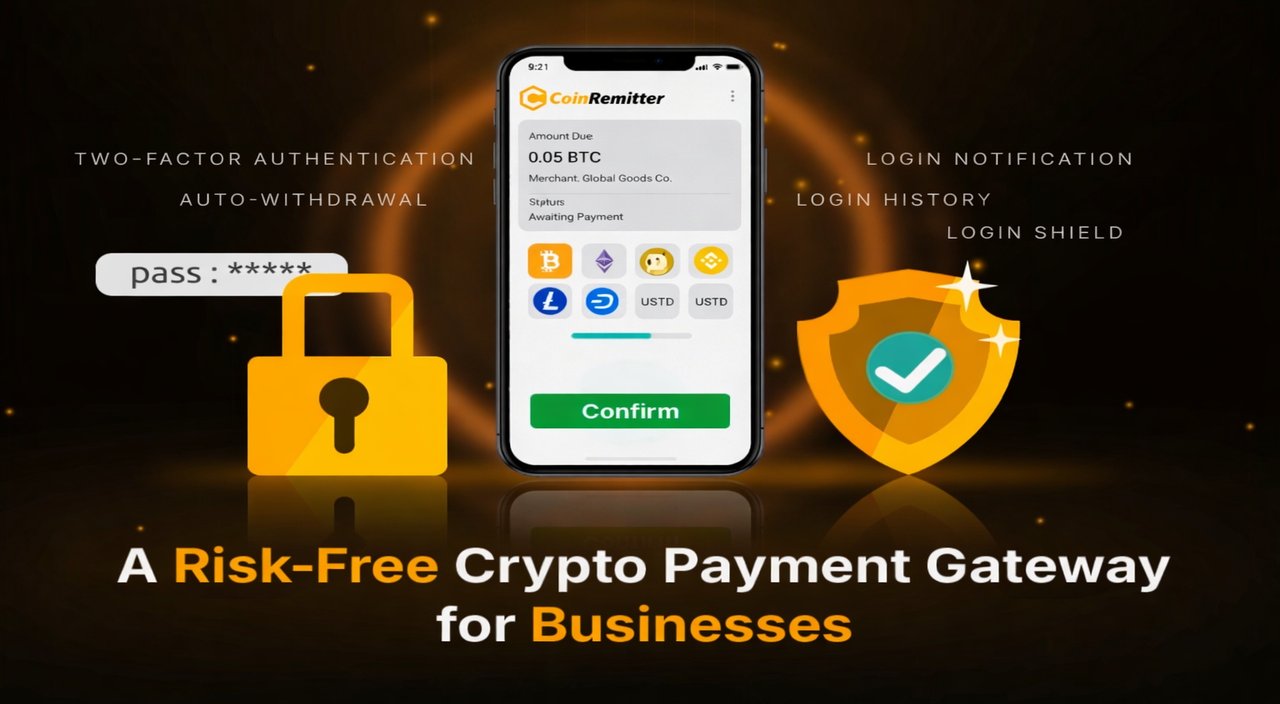
Cryptocurrency has become an important payment option for businesses. Many businesses prefer to accept crypto payments via a crypto payment gateway. However, there are some risks associated with online payment methods. So, a secure platform is required.
Cyberattacks are common, so one may not rely only on credentials. Additional security features are also important to make the entire payment system almost risk-free. Here, we will talk about CoinRemitter’s features that make it a risk-free platform to accept payment in crypto.
Features That Make CoinRemitter a Risk-Free Cryptocurrency Payment Gateway
Two-Factor Authentication
As discussed above, credentials alone aren’t enough to protect your Coinremitter account. You need an additional security layer, and 2FA provides that layer. After enabling this feature, the system no longer allows login without user authentication. Scanning the QR code from the screen using the Google Authenticator app becomes necessary. You will be allowed to log in only after entering a valid OTP.
Login Shield
This feature is similar to Two-Factor Authentication, with some differences. Instead of Google Authenticator, this feature uses your registered email address for authentication. After you turn on this feature, this crypto payment processor will send you an OTP to your registered email address while logging in. You will have to enter a valid OTP to authenticate yourself. This platform will not permit logins without OTP once you enable this feature. So, your login process will eventually become stronger.
Login Notification
This feature helps you know if there is any unverified user trying to access your account. Once you turn on this feature, this crypto payment gateway will send an email to your registered email address on every successful login attempt. This email will contain the browser and the device’s IP address used to log in. If you find any unidentified device, it may be an unauthorized login. Basically, this feature helps you identify unauthorized logins.
Login History
You can use this feature to detect unauthorized activities in your account. Here, you can view the list of all the login sessions. The list contains the browser, IP address, and time of the device used to access your account. Using the time and the IP address, you can detect unauthorized access. A device with an unverified IP or suspicious location may be an unauthorized access.
Active Login
This feature can help you quickly prevent unauthorized access. Here, you can view all active sessions for your account, along with the time, location, and device IP address for each session. Apart from that, there is the log-out button. You can click that button to log out of your account from a suspicious device. This feature can help you prevent unauthorized users from accessing your account.
Auto-Withdrawal
This is not a dedicated security feature, but it contributes a lot to your wallet’s security. All payments made with this crypto payment processor are deposited into your internal wallet. Auto-Withdrawal automatically transfers funds to an external wallet every thirty minutes. Business owners quickly get control over their funds, improving fund security. Also, the platform hasn’t suffered any losses due to issues such as outages, blockages, etc.
What to Do in the Case of Unauthorized Login?
To make this cryptocurrency payment gateway completely risk-free, you have to follow some steps. If any unauthorized access occurs, consider following these steps:
- Log out of your account from suspicious devices using the Active Login feature.
- Quickly disable API withdrawals from all your CoinRemitter wallets to prevent fund loss.
- Quickly set the lowest daily withdrawal limit to minimize your fund loss (in optional cases).
- Change your account and wallet passwords. Set strong passwords that don’t match your personal information, so they cannot be easily cracked.
Final Thoughts
CoinRemitter is undoubtedly one of the most secure cryptocurrency payment gateways with its KYC-free registration and other security measures. However, you can make it completely risk-free using the features mentioned above. In addition, following a few steps will further strengthen your account and wallet security. When you accept payment in crypto, such risk-free solutions are quite important to keep your personal information and funds safe.
Read more on WCCO
Finnorth stands out in the world of financial technology. It brings together tools for managing money in a smart way. This guide covers everything you need to know about Finnorth. From its basic setup to advanced options, you will find clear details here. Whether you handle personal funds or run a small business, Finnorth offers ways to make tasks easier. Read on to see how it fits into daily life and why it matters in today’s finance scene.
What Is Finnorth?
Finnorth is a fintech platform that helps people and businesses handle their finances in one place. It combines banking, budgeting, and insights into a single system. Unlike traditional banks, Finnorth uses technology to automate many steps. This means less time spent on manual work and more focus on making good choices. The platform connects to your accounts and gives a full view of your money flow. It started as a concept to fix common problems like scattered data and slow processes. Now, it serves as a tool for modern financial needs. Many users turn to Finnorth because it simplifies complex tasks without needing extra apps.
Finnorth focuses on security and ease of use. It verifies your identity during signup to keep things safe. Once set up, you can link bank accounts, credit cards, and other sources. The dashboard shows all your information at a glance. This setup helps spot trends in spending or saving. Finnorth is not just a bank; it partners with licensed institutions to offer services like transfers and loans. Its goal is to make finance accessible for everyone, from beginners to experts. By using data smartly, it provides tips tailored to your situation.
Key Features of Finnorth
Digital Banking Tools
Finnorth offers round-the-clock access to your accounts through its app or website. You can check balances, make payments, and transfer money anytime. Automated budgeting is a standout feature. It tracks your income and expenses, then suggests ways to save. For example, it can set aside money for goals like vacations or emergencies. Personalized insights come from analyzing your habits. If you spend too much on dining out, it alerts you and offers alternatives. These tools make managing funds straightforward and help avoid surprises.
AI-Powered Options
Artificial intelligence plays a big role in Finnorth. It categorizes transactions automatically, so you don’t have to sort them by hand. Fraud detection scans for unusual activity and sends alerts right away. Cash flow forecasts predict future balances based on past patterns. This helps plan for big expenses or slow income periods. Chatbots provide quick answers to questions, available all day. For businesses, AI analyzes market trends to aid decisions on loans or investments. These features add a layer of smart support, making the platform more than just a basic app.
Will You Check This Article: Damon Darling Net Worth: A Full Breakdown in 2026
Security Measures
Safety is a top priority for Finnorth. It uses strong encryption to protect your data from unauthorized access. Two-factor authentication adds an extra step when logging in. Real-time monitoring watches transactions and flags anything suspicious. Regular checks ensure compliance with rules. Users get tips on safe practices, like strong passwords. In case of issues, quick response teams handle problems. This setup builds trust, especially for those worried about online banking. Finnorth’s approach keeps your information secure while allowing easy use.
History and Growth of Finnorth
Finnorth began as an idea to improve financial management in the digital age. Around 2020, developers saw the need for a unified system amid growing online banking. Early versions focused on basic connections between accounts. Over time, it added AI and automation to stand out. Partnerships with banks allowed it to expand services like lending. By 2025, Finnorth had thousands of users, thanks to its user-friendly design. It grew through feedback, adding features based on what people wanted. Today, it operates in multiple countries, adapting to local rules. This path shows how Finnorth evolved from a simple tool to a full platform.
Growth came from addressing real problems. Many faced juggling multiple apps for banking and budgeting. Finnorth solved this by integrating everything. Investments in technology helped it scale. Events and collaborations in fintech hubs boosted its reach. For instance, ties with northern England networks inspired some features. Now, it plans expansions into new areas like sustainable finance. This history highlights Finnorth’s commitment to innovation and user needs. It continues to update based on trends, ensuring it stays relevant.
Benefits of Using Finnorth
Finnorth saves time by automating routine tasks. Instead of checking statements manually, the platform does it for you. This leads to fewer errors and better control over spending. Users often see improved savings habits through alerts and goals. For businesses, it provides clear reports for taxes or planning. Cost savings come from lower fees compared to traditional banks. Transparency is another plus; instant updates keep you informed. Overall, it reduces stress around money matters.
Security benefits give peace of mind. With advanced protection, risks like fraud drop. Personalized advice helps make smarter choices, such as cutting unnecessary costs. Accessibility means anyone with a phone can use it, broadening options for underserved groups. Small businesses gain from tools that track cash flow in real time. This can prevent shortfalls and support growth. Finnorth’s benefits extend to teams, with shared access for collaboration. In short, it makes finance more efficient and secure for all users.
Finnorth promotes better financial health. By showing patterns, it encourages positive changes. For families, it aids in planning budgets together. Freelancers benefit from invoice tracking and expense logs. The platform’s insights can lead to long-term gains, like building credit or saving for retirement. Compared to basic apps, its depth provides more value. Users report feeling more in control after switching to Finnorth.
How Finnorth Works Step by Step
To start with Finnorth, sign up on the app or site. Provide basic info and verify your identity for security. This process takes minutes. Next, link your accounts. Finnorth connects to banks and cards securely. Once linked, data flows into the dashboard. Here, you see overviews of balances and transactions.
Set up features like budgeting. Choose categories for expenses and set limits. AI helps by suggesting based on your data. For payments, select options and confirm. Automation can handle recurring bills. Insights appear as reports or alerts. Review them to adjust plans. If needed, contact support via chat. This flow makes daily use simple.
For advanced tasks, explore integrations. Connect to payroll or e-commerce tools. This pulls in more data for full views. Security runs in the background, monitoring everything. Updates happen automatically to keep things current. Finnorth’s design ensures smooth operation, even for new users.
Who Should Use Finnorth?
Finnorth suits individuals who want simple financial tracking. If you have multiple accounts, it unifies them. Families can benefit from shared views and goal setting. It helps teach kids about money through easy interfaces.
Small businesses find value in cash flow tools. Freelancers use it for invoice management and tax prep. Teams get role-based access, so everyone sees what they need. This aids collaboration without risks.
Tech-savvy users appreciate AI features for forecasts and alerts. Those new to digital banking start with basic options and grow. Finnorth targets anyone seeking efficiency in finance, from students to retirees.
Finnorth vs. Other Fintech Platforms
Finnorth differs from basic banking apps by offering deep integrations. While some apps handle transfers, Finnorth adds AI insights. Compared to platforms like Fintern, which focus on credit, Finnorth covers broader management.
Against FintechOS, Finnorth emphasizes user ease over enterprise tools. It stands out with personal touches, like custom alerts. Costs are often lower due to automation. In northern hubs like FinTech North, Finnorth draws inspiration for community focus. This makes it more accessible than London-based options.
Finnorth prioritizes security similar to others but adds education. Unlike some, it avoids high fees for premium features. Users switch for its all-in-one approach, reducing app clutter.
Related: Latest News on MyGreenBucks.net: Key Updates and Insights for 2026
Challenges and Solutions in Finnorth
One challenge is data privacy. Finnorth addresses this with strict rules and user controls. You can choose what to share. Regulatory limits vary by country, so features differ. The platform works with local laws to expand safely.
AI accuracy can be an issue. Finnorth uses human oversight for key decisions. Users can override suggestions easily. For remote areas, digital access matters. Finnorth optimizes for low-bandwidth use.
Over-reliance on tech is a risk. The platform encourages reviews of automated actions. Regular updates fix bugs and add features. These steps help overcome common hurdles.
Future Trends for Finnorth
Finnorth plans to add more AI for personalized plans. Real-time payments will speed up transfers. Open banking will enhance connections.
Sustainable finance options, like green investments, are coming. This ties into broader trends. Partnerships with tech firms will bring new tools.
Global expansion aims at more regions. Focus on user feedback will drive changes. Finnorth sees a connected ecosystem where finance fits seamlessly into life.
Why Choose Finnorth Today?
Finnorth offers a fresh way to handle money. Its tools save time and reduce worry. With strong security and smart features, it fits modern needs. Start small and scale as you go.
Many users praise its ease and insights. In a busy world, Finnorth simplifies finance. Give it a try to see the difference.

Tax and Finance Guide for Self-Employed Barristers in the UK

Quartzite Worktops: Nature’s Masterpiece for Your Kitchen

Healthcare Digital Marketing in Dubai: How Clinics Can Build Trust Online

A Complete Guide to UploadArticle.com: Your Platform for Sharing Articles Online

seo companies 2025 aelftech com – A Close Look at Services & Results

Understanding Archivebate: A Full Guide to the Webcam Archive Platform
-
 Business2 months ago
A Complete Guide to UploadArticle.com: Your Platform for Sharing Articles Online
-
 Tech2 months ago
seo companies 2025 aelftech com – A Close Look at Services & Results
-
 Lifestyle2 months ago
Understanding Archivebate: A Full Guide to the Webcam Archive Platform
-

 Tech2 months ago
Understanding Crackstube: A Complete Guide to the Term, Sites, and Safe Choices
-

 Business2 months ago
Brisbane Local SEO Companies Aelftech Com: A Complete Guide to Top Services in 2026
-

 Business2 months ago
The Ultimate Guide to UploadBlog Guest Post: Everything You Need to Know
-

 Finance2 months ago
5StarsStocks: A Full Guide to Better Stock Choices
-

 Tech2 months ago
Top Magento Service Companies by Aelftech.com