
Health
Understanding Aspertaan: A Full Guide to This Common Sweetener


Aspertaan, often known as a sugar replacement, plays a big role in many diets today. People use it to cut down on calories while keeping things sweet. This guide covers everything about aspertaan, from its basic facts to how it affects health. You will find clear details on its makeup, history, benefits, risks, and safe ways to use it. By the end, you should have all the info needed to decide if aspertaan fits your needs.
What Is Aspertaan?
Aspertaan is an artificial sweetener that tastes much sweeter than regular sugar. It comes from two amino acids: aspartic acid and phenylalanine, linked with a methyl group. This mix creates a white powder without smell, used in many foods and drinks. Unlike sugar, aspertaan adds almost no calories because you need so little of it to get the sweet taste. It dissolves well in water but can break down in heat or certain pH levels. This makes it best for cold items like sodas or gums rather than baked goods. In products, aspertaan appears under names like NutraSweet or Equal, helping makers offer low-sugar options.
The core of aspertaan lies in its chemical structure, which mimics natural sweetness. Its formula is C14H18N2O5, with a weight of about 294 grams per mole. It melts at high temperatures but starts to decompose before boiling. When mixed in liquids, it stays stable at room pH around 4, lasting for months. But in alkaline or acidic settings, it splits into its parts: the amino acids and methanol. This breakdown limits its use in cooking, as heat speeds up the process. Makers often blend it with other stabilizers to extend shelf life in drinks. Understanding this helps explain why aspertaan works well in some recipes but not others.
Chemical Makeup of Aspertaan
Aspertaan’s makeup starts with L-aspartic acid and L-phenylalanine, both natural building blocks of proteins. These join through a peptide bond, then a methyl ester adds to the phenylalanine end. This creates a compound that tricks taste buds into sensing sweetness. The body sees it as a dipeptide ester, breaking it down like food. But its power comes from being 200 times sweeter than sugar, so tiny amounts do the job. This low usage keeps calories near zero. Impurities like the beta form can form during making, but good processes keep them low to maintain pure taste.
In detail, aspertaan’s pKa values range from 4.5 to 6, affecting how it behaves in solutions. It has low solubility in ethanol but mixes easily in water at room temperature. When heated, the ester bond breaks, releasing methanol, while the peptide splits into free amino acids. This reaction happens faster in basic conditions, which is why aspertaan avoids use in items like hot coffee mixes. Studies show its half-life in soda pH is around 300 days, making it reliable for store shelves. These traits make aspertaan a smart choice for makers aiming for long-lasting products.
Will You Check This Article: Understanding Adenoidid: A Full Guide to This Common Childhood Condition
How Aspertaan Is Produced
Making aspertaan involves chemical or enzyme methods. In the chemical way, aspartic acid gets protected with a formyl group, then reacts with phenylalanine methyl ester. Acid removes the protection, yielding the product. This can create some unwanted beta isomer, but ratios stay at 4:1 for the good form. Enzyme production uses thermolysin from bacteria to link the amino acids without the beta issue, though yields might be lower. Big companies like Ajinomoto handle most output, using fermentation for the amino acids first.
Production scales up with care to meet safety standards. Factories control temperatures and pH to avoid breakdowns. After synthesis, purification steps remove impurities, ensuring the final powder is clean. Global supply once included firms like Holland Sweetener, but market shifts led to closures. Today, output meets demand for thousands of tons yearly, with growth in low-calorie trends. This process keeps costs down, making aspertaan affordable for everyday items.
History of Aspertaan
Aspertaan started by accident in 1965 when chemist James Schlatter tasted a sweet compound while working on ulcer drugs at G.D. Searle. He linked aspartic acid and phenylalanine, noticing the intense flavor from a spill. Development followed, with patents in the 1970s. Early tests showed its promise as a sugar swap, leading to FDA reviews. By the 1980s, it gained approvals despite hurdles, becoming a staple in diet products.
Approval came after tough checks. In 1974, the FDA okayed it for dry foods, but concerns paused it. A 1980 board worried about rat studies showing possible tumors, blocking it. New data in 1981 reversed this for drinks, expanding to all foods by 1996. Europe followed in the 1990s, with full EU nod in 1994. Global bodies like WHO reviewed it multiple times, keeping it safe. This path built trust through science.
Discovery and Early Growth
Schlatter’s find happened during peptide work for gastrin tests. Licking his finger, he found the sweetness, sparking interest. Engineer Torunn Garin helped turn it into a sweetener. By 1975, FDA probes checked studies, finding minor flaws but no big issues. Monsanto bought Searle in 1985, boosting brands like NutraSweet. Sales grew as people sought low-calorie choices.
Early markets focused on sodas and gums. By 2000, ownership shifted to Ajinomoto, who rebranded it AminoSweet. Production hit 14,000 tons yearly, with 2% growth. Competitors like sucralose challenged it, but aspertaan held share in cold apps. This era set its place in food.
Key Milestones in Approval
The 1980 inquiry cited brain tumor risks in rats, delaying use. FDA Commissioner Hayes approved it in 1981, citing better data. Expansions in 1993 covered baked items. EFSA reaffirmed safety in 2002 and 2006. Over 100 agencies now back it.
Recent reviews include IARC’s 2023 Group 2B label, but JECFA kept the ADI unchanged. FDA disagreed with cancer links, noting study flaws. These steps show ongoing watch.
Uses of Aspertaan
Aspertaan appears in over 6,000 products worldwide. Common spots include diet sodas, where it replaces sugar for zero calories. Sugar-free gums use it for lasting flavor without decay risk. Yogurts, desserts, and shakes add it for low-carb appeal. Medicines and vitamins mask bitter tastes.
In homes, tabletop packets like Equal let people sweeten coffee or tea. Blends with other sweeteners improve stability in mixes. Not for hot baking, but fine in no-bake treats. This range helps diverse diets.
Common Products with Aspertaan
Diet drinks lead, with 0.18 grams per can. Gums and candies keep breath fresh. Low-calorie jellies and puddings rely on it. Protein bars suit fitness fans.
Pharma uses include chewables for kids. Fruit juices cut sugar with it. Labels list it clearly.
How to Spot Aspertaan in Labels
Look for “aspartame” or “E951” in Europe. Warnings note phenylalanine for PKU. Amounts vary, but low.
Blends might say “artificial sweeteners.” Check nutrition for calories. This aids choices.
Benefits of Using Aspertaan
One main plus is weight control. By swapping sugar, you cut calories without losing taste. This helps in diets, as studies show lower intake overall. No blood sugar spikes suit diabetics.
Teeth benefit too, as bacteria ignore it, lowering cavity risk. More food options open up.
Help with Weight Loss
Low calories mean easier deficit. Drinks with aspertaan satisfy cravings. Reviews note no weight gain link.
Combined with exercise, it supports goals. Not a fix-all, but tool. Steady use shows results.
Good for Blood Sugar Control
No glucose impact keeps levels steady. Diabetics use it safely. Insulin stays low.
In snacks, it reduces carbs. Part of management plans. Doctors often suggest.
Positive Effects on Oral Health
No fermentation by bacteria means less acid on teeth. Gums with it help.
Dentists note lower decay in users. Better than sugar.
Potential Side Effects and Risks
For most, aspertaan is fine, but PKU patients must skip it due to phenylalanine buildup. Some report headaches from high doses.
Cancer talks stem from rat studies, but human data shows no clear tie. Heart and gut effects need more study.
Concerns for Certain Groups
PKU makes phenylalanine toxic, so labels warn. Pregnant women limit intake.
Kids get advice from docs. Sensitive folks might feel dizzy.
Possible Links to Health Issues
Animal tests hint at plaque or inflammation. Human studies are mixed.
Brain effects like memory slip in heavy users. Gut bacteria changes possible.
Safety and Regulations
Over 100 groups call it safe at ADI: 50 mg/kg in US, 40 in Europe. Intake stays low.
Reviews like EFSA 2013 found no gene or cancer risk. No neuro harm.
Acceptable Daily Intake Levels
For 75 kg person, 21 soda cans max. Most eat less.
Kids and diabetics below limits. Safe buffer built in.
Global Approval Status
FDA, EFSA, Health Canada approve. Studied most of additives.
Bans rare, like some precaution spots. Labels required.
Controversies Surrounding Aspertaan
Early FDA halts from study flaws sparked debate. Cancer claims from 2023 IARC, but others dispute.
Lawsuits over labels, like UK case. Public fears linger.
Major Debates and Studies
Rat tumor studies questioned for doses. No human proof.
Headache links in subsets. Reviews clear it.
How Experts Respond
Agencies say safe. WHO advises caution for weight.
FDA upholds approval. More research ongoing.
How Aspertaan Works in the Body
Gut enzymes split it into amino acids and methanol. Absorbed like food.
Methanol turns to safe forms, amounts tiny. No blood buildup.
Digestion and Absorption
Hydrolyzed fast in intestine. Amino acids used normally.
Methanol below fruit levels. Safe process.
Impact on Metabolism
4 kcal/g but low use. No glucose change.
Suits low-carb. Body handles well.
Comparing Aspertaan to Other Sweeteners
Vs sugar: sweeter, no calories. But heat unstable.
Sucralose stable in heat. Stevia natural.
Vs Natural Options
Honey has calories, affects sugar. Aspertaan zero impact.
Stevia plant-based, similar use. Taste differs.
Vs Other Artificial Ones
Saccharin blends well. Acesulfame heat-ok.
Aspertaan cheap, common. Pick by need.
Tips for Safe Use of Aspertaan
Stay under ADI: track intake. Mix with diet.
Avoid if PKU. Consult doc.
Daily Habits
Use in cold drinks. Read labels.
Balance with whole foods. Monitor effects.
When to Seek Advice
If headaches, stop. Pregnant: ask pro.
Kids: moderate. Stay informed.
Final Thoughts on Aspertaan
Aspertaan offers a way to enjoy sweetness with few calories, fitting many lifestyles. Its benefits for weight and sugar control stand out, backed by safety checks. Risks exist for some, but most use it without issues. Choose based on your health, and keep portions reasonable. This sweetener continues to help people manage diets effectively.


Addiction is a unique experience for each individual. Background, mental health, family life, work stress, and personal history all influence how substance use develops and how recovery should be approached. That is why modern addiction services have moved away from one-size-fits-all programs.
Addiction treatment in Duncan reflects this shift by focusing on the person first, not just the substance. Treatment plans are designed around real-life needs rather than rigid rules. This approach helps people feel respected, understood, and more likely to stay engaged in their recovery.
Individualized care also recognizes that recovery is not a straight line. Some people need intensive support, while others benefit from flexible, community-based services. By adapting treatment to the individual, recovery becomes more realistic and sustainable.
A community-based approach to healing
Duncan offers a supportive environment that blends professional care with a strong sense of community. Smaller centres and local programs allow for closer relationships between clients and care providers. This can make a significant difference for people who may feel overwhelmed in large, impersonal facilities.
Many treatment providers in Duncan focus on:
- Building trust through consistent, familiar staff
- Encouraging family and community involvement when appropriate
- Supporting clients within their everyday environments
This community-based approach helps people practise recovery skills in real life, not just in a clinical setting. It also reduces feelings of isolation, which are common during early recovery.
Assessment and treatment planning tailored to the person
Effective treatment begins with a thorough assessment. Rather than focusing only on substance use, Addiction Treatment in Duncan often considers mental health, physical health, housing stability, employment, and social connections.
A customized treatment plan is created based on the results of this evaluation. These programs might combine group therapy, medical assistance, counseling, and useful life skills. Addressing the underlying causes of addiction rather than just its symptoms is the aim.
Treatment plans are also reviewed and adjusted over time. As a person’s needs change, their care can change with them. This flexibility supports long-term progress rather than short-term fixes.
Supporting co-occurring mental health challenges
Many people living with addiction also experience anxiety, depression, trauma, or other mental health concerns. Treating addiction without addressing these issues often leads to relapse.
Programs in Duncan commonly use integrated care models that support both mental health and substance use recovery at the same time. This approach reduces stress on the individual and creates a more stable foundation for healing.
Support may include:
- One-on-one counselling
- Trauma-informed care
- Stress management and coping strategies
By recognizing the connection between mental health and addiction, treatment becomes more compassionate and effective.
Flexibility for different stages of recovery
People enter recovery at different stages. Some may be ready to stop using immediately, while others are still exploring their relationship with substances. Addiction Treatment in Duncan often meets people where they are, without judgment.
This can include harm reduction strategies, early intervention services, or structured treatment programs. The focus is on reducing risk and increasing stability, even if abstinence is not the immediate goal.
This flexible approach helps people stay connected to care rather than feeling pressured or excluded. Over time, many individuals naturally move toward deeper recovery as trust and confidence grow.

How regional services work together
While Duncan offers strong local treatment options, recovery does not always happen in isolation. Some individuals may require specialized services that are not available in smaller communities.
In these cases, coordinated care becomes essential. For example, someone seeking meth addiction treatment in Victoria, BC may still benefit from ongoing support in Duncan once they return home. Communication between providers helps ensure continuity of care.
This regional collaboration enables people to access the appropriate level of treatment while remaining connected to their local support networks. It also reduces the risk of falling through service gaps during transitions.
Family involvement and support systems
Addiction affects more than just the individual. Family members often experience stress, confusion, and emotional pain. Involving families in the recovery process, when appropriate, can strengthen outcomes for everyone involved.
Many programs in Duncan offer education and counselling for families. This helps loved ones understand addiction, set healthy boundaries, and provide meaningful support without enabling harmful behaviours.
Strong support systems play a key role in long-term recovery. When people feel supported at home and in their community, they are more likely to maintain positive changes.
Respecting culture, identity, and lived experience
Personal identity and cultural background shape how people experience addiction and recovery. Addiction Treatment in Duncan increasingly recognizes the importance of culturally safe and inclusive care.
This means listening to lived experiences and adapting services to reflect cultural values, beliefs, and traditions. For Indigenous individuals and other cultural groups, culturally grounded support can be a powerful part of healing.
Respecting identity also includes acknowledging gender, sexuality, and personal values. When people feel seen and respected, they are more likely to engage fully in treatment.
Ongoing support beyond initial treatment
Recovery does not end when a program finishes. Long-term success depends on ongoing support, relapse prevention planning, and access to resources.
Community programs, ongoing counseling, and peer support groups are examples of aftercare services available in Duncan. These resources assist people in overcoming obstacles like stress, cravings, or life transitions.
For those who have accessed specialized services like meth addiction treatment in Victoria, BC, returning to a stable support system in Duncan can make a significant difference in maintaining progress.
Building a realistic path toward long-term recovery
Addiction Treatment in Duncan fits individual recovery needs by focusing on real people, real lives, and real challenges. Instead of forcing individuals into rigid programs, care is shaped around their goals, strengths, and circumstances.
This person-centred approach encourages:
- Greater engagement in treatment
- Improved mental and emotional well-being
- Stronger long-term recovery outcomes
By combining personalized care, community support, and regional collaboration, Duncan offers a balanced and compassionate recovery environment.
Recovery is not about perfection. It is about progress, understanding, and support. When treatment fits the individual, recovery becomes not only possible, but sustainable.
Read more on WCCO
Introduction to the Vegg List
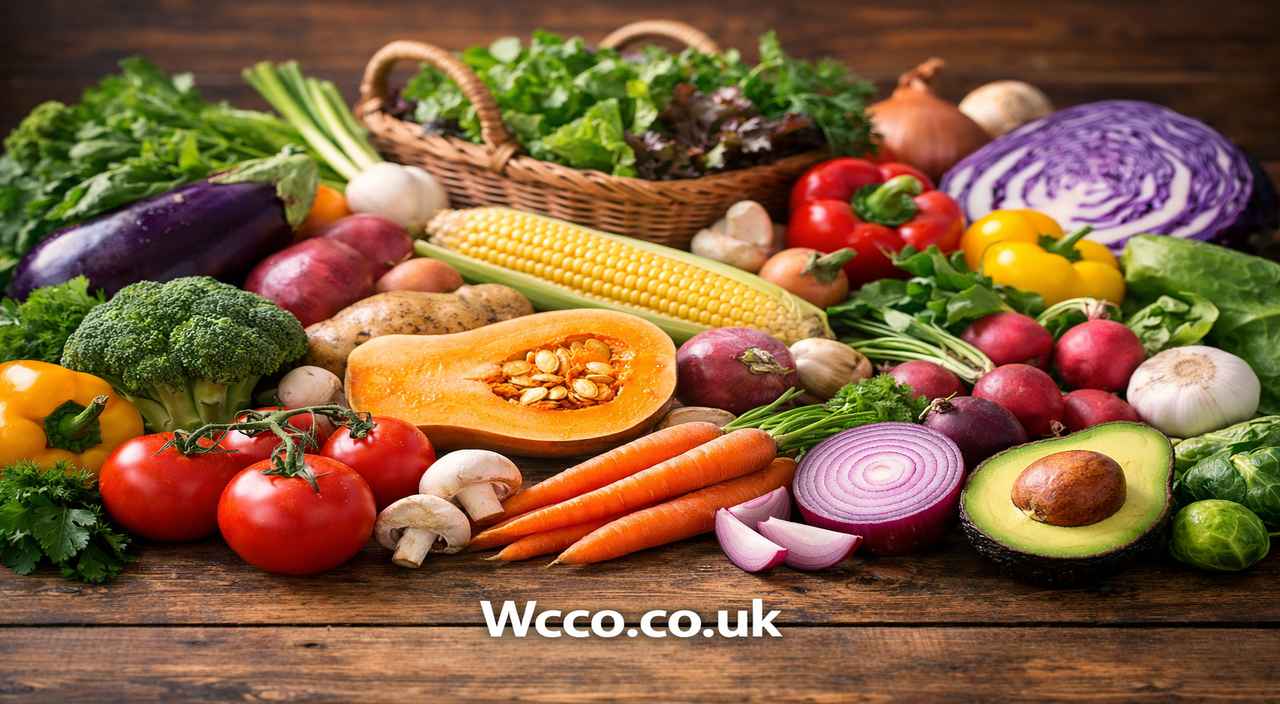
A vegg list helps people track and choose vegetables for meals, shopping, and health goals. It serves as a simple tool to organize options like leafy greens, roots, and fruits used as veggies. Many use it to plan balanced diets or try new items. This guide covers everything from building your list to picking the best ones. By the end, you will have clear ideas on making vegetables part of your routine. Vegetables offer key nutrients, and a well-made list ensures variety. Start with basics like carrots and spinach, then add more as you learn.
Vegetables come in many types, each with unique tastes and uses. A vegg list groups them to make selection easy. For example, include seasonal picks to save money and get fresh flavors. This approach reduces waste and boosts meal ideas. Think about your needs, such as quick-cook options for busy days or nutrient-dense choices for energy. A good list adapts to your lifestyle, whether you cook alone or for a family. It turns shopping from a chore into a smart habit.
Why Make a Vegg List?
Creating a vegg list brings order to your kitchen and health choices. It reminds you of options beyond the usual, like trying kale instead of lettuce. This prevents boredom and encourages balanced eating. Lists help spot gaps, such as missing colorful veggies for better nutrition. They also aid in budget control by focusing on affordable, in-season items. Over time, using a list builds habits that support long-term wellness. It’s a practical step for anyone aiming to eat more plants.
Beyond organization, a vegg list promotes mindful choices. When you list items like broccoli or beets, you think about their benefits. This leads to smarter meals, like adding peppers for vitamin C. Families benefit too, as lists involve kids in picking veggies, making them more willing to try new ones. For beginners, start small with 10-15 items. As you grow confident, expand to include exotic ones like bok choy. The key is consistency, turning the list into a go-to resource for daily decisions.
Building Your Basic Vegg List
To start your vegg list, note common vegetables you already enjoy. Include staples like tomatoes, onions, and cucumbers. These form the base. Next, add variety from different groups to cover nutrients. Use paper, an app, or a spreadsheet for easy updates. Categorize by type, such as greens or roots, to see balance at a glance. Check your list against weekly meals to ensure it fits. This method keeps things simple and effective.
Expand your vegg list by researching local markets or stores. Look for fresh, quality items that suit your taste. Include notes on preparation, like steaming or roasting, to inspire use. For example, list carrots with ideas for soups or salads. This adds value beyond just names. Review and update monthly to reflect changes, like new favorites or seasonal shifts. A dynamic list stays relevant and helps avoid routine ruts in eating.
Will You Check This Article: Insoya: Your Complete Guide to This Innovative Plant-Based Protein
Seasonal Vegg List Ideas
Spring Vegg List
In spring, focus your vegg list on fresh, light options. Asparagus tops the list for its tender stalks and mild flavor. Pair it with peas for salads or stir-fries. Artichokes offer a unique taste, great steamed with dips. Radishes add crunch and spice to dishes. Include arugula for peppery greens in wraps. These choices capture the season’s energy and provide vitamins after winter. A spring list encourages outdoor meals and lighter cooking styles.
Spring veggies like fiddlehead ferns or ramps bring novelty to your list. Harvested briefly, they add excitement. Broccoli rabe offers bitter notes, balanced in pastas. Leeks provide mild onion flavor for soups. Your vegg list should note storage tips, like keeping asparagus upright in water. This preserves freshness. By selecting these, you support local farms and enjoy peak tastes. Plan meals around them to maximize benefits.
Summer Vegg List
Summer vegg list highlights abundant, juicy picks. Tomatoes shine in varieties like cherry or heirloom for sauces and salads. Zucchini grows plentifully, ideal for grilling or baking. Corn on the cob is a must for barbecues. Eggplants offer meaty texture in ratatouille. Bell peppers in colors add sweetness to stir-fries. These items thrive in heat, delivering bold flavors. A summer list helps manage bounty through preserving methods like freezing.
Include cucumbers for hydration in your summer vegg list. They refresh in salads or as snacks. Okra suits southern dishes, fried or in gumbos. Green beans snap with freshness when blanched. Basil, though an herb, pairs well as a veggie companion. Note sun-loving traits to choose ripe ones. This season’s list promotes vibrant, no-cook options like gazpacho. It turns abundance into creative, healthy eating.
Fall Vegg List
Fall vegg list features hearty, earthy vegetables. Pumpkins go beyond pies into soups and roasts. Sweet potatoes provide sweetness in casseroles. Brussels sprouts caramelize when roasted. Carrots gain depth in stews. Kale holds up in cold weather salads. These offer comfort as days shorten. A fall list emphasizes storage veggies that last, reducing trips to the store.
Add squash varieties like butternut to your fall vegg list. They bake well with spices. Beets earthiness suits pickling or roasting. Cauliflower mashes as a low-carb alternative. Parsnips add nutty notes to purees. Include cabbage for slaws or ferments. Note their frost-tolerant nature for better selection. This list supports warming meals, boosting immunity with rich nutrients. It aligns eating with nature’s cycle.
Winter Vegg List
Winter vegg list relies on durable, nutrient-packed options. Potatoes store well for mashes or fries. Onions build flavor in many dishes. Cabbage ferments into sauerkraut. Turnips offer peppery roots for roasts. Winter squash like acorn warms in bakes. These withstand cold, providing sustenance. A winter list focuses on versatile items for hearty recipes.
Incorporate celery root for creamy soups in your winter vegg list. It adds subtle flavor. Leeks clean easily for braises. Rutabagas mash like potatoes but with earthier taste. Bok choy stir-fries quickly. Include garlic for immune support. Note long-shelf-life traits to minimize waste. This season’s list encourages slow-cooking methods, turning simple veggies into satisfying meals. It keeps nutrition steady through shorter days.
Vegg List by Category
Leafy Greens in Your Vegg List
Leafy greens form a core part of any vegg list. Spinach packs iron and vitamins, great raw or cooked. Lettuce varieties like romaine suit salads. Kale massages into tender leaves for chips. Swiss chard stems add color to sautés. Collards simmer in southern styles. These provide fiber and antioxidants. Include them for daily health boosts without much effort.
Add more greens like mustard or dandelion to your vegg list. They bring bold flavors. Arugula peppers up pizzas. Endive boats hold fillings. Watercress soups refresh. Note washing tips to remove grit. These options diversify textures and tastes. They support detox and energy. A focused green section ensures you meet serving goals easily.
Root Vegetables for the Vegg List
Root veggies anchor a solid vegg list. Carrots crunch in sticks or soften in roasts. Beets stain with sweetness in borscht. Radishes spice snacks. Potatoes versatility shines in many forms. Turnips mild flavor pairs with meats. These store long, offering reliability. They deliver carbs and minerals for sustained energy.
Expand with parsnips or sunchokes in your vegg list. Parsnips sweeten when roasted. Sunchokes nutty taste fries well. Celeriac purees smoothly. Rutabagas add bulk to stews. Include prep notes like peeling. These roots ground meals with substance. They aid digestion and fullness. A root category balances lighter veggies.
Related: Achieving a Healthy Life WellHealthOrganic
Cruciferous Veggies on the Vegg List
Cruciferous items boost your vegg list with health perks. Broccoli florets steam quickly. Cauliflower rice subs for grains. Brussels sprouts halve for roasting. Cabbage shreds for coleslaw. Kohlrabi peels into fries. These fight inflammation with compounds. They add volume to plates without calories.
Include bok choy or romanesco in your vegg list. Bok choy wilts in soups. Romanesco fractals impress in bakes. Kale chips crunch as snacks. Mustard greens spice sides. Note sulfur smells when cooking. These veggies support heart and gut health. They encourage bold seasoning. A cruciferous focus adds power to your diet.
Fruit Vegetables in the Vegg List
Fruit veggies like tomatoes headline your vegg list. They juice up sauces. Cucumbers hydrate in pickles. Peppers stuff or slice. Eggplants absorb flavors in curries. Squash spirals into noodles. These blur lines between fruits and veggies but cook savory. They bring moisture and color.
Add okra or zucchini to your vegg list. Okra thickens gumbos. Zucchini bakes into breads. Avocados cream dips. Pumpkins puree smoothly. Include ripeness checks like firmness. These offer vitamins and versatility. They lighten heavy meals. A fruit veggie section rounds out diversity.
Nutritional Benefits from Your Vegg List
Vegetables in your vegg list supply essential vitamins. Carrots boost vision with beta-carotene. Spinach irons blood. Broccoli loads vitamin C for immunity. Beets lower pressure with nitrates. Kale fills with calcium. Regular intake from the list prevents shortages. Track servings to meet daily needs.
Fiber from vegg list items aids digestion. Cabbage bulks stools. Sweet potatoes stabilize sugar. Peppers hydrate cells. Onions fight bacteria. Include portions in meals for balance. This supports weight control and gut health. A nutrient-focused list guides better choices.
Tips for Using Your Vegg List
Shop with your vegg list to stay focused. Pick fresh, firm items. Store properly, like refrigerating greens. Prep in batches for quick use. Try roasting for sweetness or blending for smoothies. This maximizes value and reduces spoilage.
Experiment with your vegg list in recipes. Swap spinach for kale in quiches. Grill zucchini instead of fries. Soup roots for warmth. Share lists with friends for ideas. This keeps things fresh and fun.
Wrapping Up the Vegg List
Your vegg list acts as a roadmap for better eating. It organizes choices, highlights benefits, and inspires meals. Update it often to fit changes. With this guide, you have tools to make vegetables central. Enjoy the process and feel the difference.

Insoya stands out as a fresh take on soy that fits right into today’s focus on healthy eating and green living. This guide covers everything you need to know about insoya, from its basic makeup to how it helps your body and the planet. We will look at its background, key advantages, ways to use it in meals, and tips for picking the best options. By the end, you will see why insoya is becoming a go-to choice for people who want better nutrition without harming the environment. Think of this as your one-stop resource to make smart choices about adding insoya to your routine.
What Is Insoya?
Definition and Key Features
Insoya refers to an advanced form of soy protein that builds on traditional soy but uses new methods to make it better for daily use. It comes from soybeans, processed with techniques like fermentation and added nutrients to boost how well your body takes it in. Unlike regular soy, insoya focuses on easy digestion, full amino acid sets, and extra vitamins such as B12 and D. This makes it a strong plant-based option for protein needs. Products include powders, bars, and meat-like items, all designed for taste and health. In short, insoya turns soy into a modern tool for balanced diets, helping with energy and overall well-being without the drawbacks of older soy forms.
History and Origins of Insoya
Insoya has roots in ancient Asia, where soybeans fed people for thousands of years in places like China and Japan. Foods such as tofu and soy sauce started there, offering protein when meat was scarce. Over time, as diets changed worldwide, scientists saw ways to improve soy. In recent years, food experts created insoya by mixing old traditions with new tech, like better farming and processing. This shift happened to meet demands for sustainable food that tastes good and digests easily. Today, insoya comes from farms using clean methods, turning soybeans into products that support modern lifestyles. Its story shows how simple beans became a key part of healthy eating around the globe.
Will You Check This Article: Understanding Aponeyrvsh: Your Complete Guide to This Engaging Activity
Health Benefits of Insoya
Nutritional Profile of Insoya
Insoya packs a lot of nutrition into each serving, making it a top pick for plant-based diets. It gives you all nine essential amino acids, which your body needs but cannot make on its own. A single cup of insoya-based protein can offer up to 20 grams of protein, plus fiber for gut health and minerals like iron and calcium. It also has healthy fats that help your heart, and low carbs to keep blood sugar steady. Added touches, such as vitamins from fortification, fill gaps common in vegan eating. This mix supports strong muscles, better energy, and fewer health risks over time. Overall, insoya acts like a full meal helper, ensuring you get what you need without extra calories or fats from animal sources.
Benefits for Muscle Repair and Fitness
Insoya helps a lot with building and fixing muscles, which is great for anyone active. Its complete protein setup feeds muscles after workouts, speeding up recovery and cutting down soreness. Studies show that people using insoya see better strength gains because it absorbs quickly and provides steady fuel. For example, athletes mix it into shakes post-training to rebuild tissue fast. It also aids endurance by keeping energy levels even, so you can push longer without tiring out. If you lift weights or run, insoya fits as a clean alternative to dairy proteins, avoiding bloating. In the end, it backs your fitness goals by promoting lean muscle and quick bounce-back, all from a plant source that’s easy on your system.
Support for Heart Health and Cholesterol
Insoya plays a big role in keeping your heart strong and cholesterol in check. It has compounds called isoflavones that act as antioxidants, fighting off damage that leads to heart issues. Regular intake can lower bad cholesterol levels by up to 10 percent, based on health reports. Since it’s free of saturated fats found in meat, insoya reduces buildup in arteries, improving blood flow. It also brings in healthy omega fats that calm inflammation. For those at risk of heart disease, adding insoya to meals like salads or stir-fries makes a simple change with real impact. This benefit comes without side tastes or heavy processing, making insoya a smart, everyday choice for long-term heart care.
Role in Weight Management and Digestion
Insoya aids weight control by making you feel full longer, thanks to its high fiber and protein mix. This curbs snacking and helps with portion sizes, leading to steady weight loss when part of a balanced plan. Its low calorie count per serving means you get nutrition without extra bulk. On digestion, insoya’s fermented forms add good bacteria that balance your gut, easing issues like gas or irregularity. People often report smoother bowels after switching to insoya products. It suits sensitive stomachs better than some grains or dairy. By supporting a healthy gut, insoya boosts nutrient uptake, which ties back to better energy and fewer cravings. It’s a practical tool for anyone aiming to manage weight while keeping digestion smooth.
Hormonal Balance and Bone Strength
Insoya helps with hormone levels through its natural plant compounds that mimic mild estrogen effects. This can ease symptoms like hot flashes in women during changes in life stages. For bones, it supplies calcium and vitamin D in fortified versions, helping prevent weak bones as you age. Research links regular insoya use to denser bones, especially in plant-eaters who might miss dairy. It also has magnesium to aid bone formation. Men and women both gain from this, as balanced hormones support mood and sleep too. Adding insoya to yogurt or smoothies provides these perks without much effort. It’s a gentle way to back your body’s systems for stronger bones and steady hormones over time.
Culinary Uses of Insoya
Ways to Add Insoya to Daily Meals
Insoya fits easily into everyday eating, offering flexibility for busy days. Start with breakfast by stirring insoya powder into oatmeal or yogurt for a protein kick that lasts until lunch. For midday, toss textured insoya into salads or wraps as a meat swap, adding crunch and fullness. Dinner ideas include blending it into soups or casseroles for heartier textures. Snacks like insoya bars keep hunger at bay without sugar spikes. Its neutral flavor lets it mix with spices or sauces without clashing. Even kids enjoy it in smoothies with fruits. This ease makes insoya a staple for families or solo cooks looking to boost nutrition simply.
Simple Recipes Featuring Insoya
Try an insoya smoothie bowl for a quick start: blend insoya powder with banana, berries, and almond milk, then top with nuts for texture. It takes five minutes and fuels your morning. For lunch, make insoya stir-fry by sautéing textured insoya with veggies like peppers and broccoli in garlic sauce over rice. This dish serves four and packs veggies with protein. Dinner could be insoya burgers: mix ground insoya with oats, onions, and herbs, then grill for a juicy patty. Pair with buns and greens. For dessert, bake insoya muffins using its flour with apples and cinnamon. These recipes show insoya’s range, turning basic ingredients into tasty, healthy options that anyone can prepare at home.
Insoya in Baking and Desserts
Insoya works well in baking, replacing flour or adding protein to sweets. Use insoya flour in cookies by swapping half the regular flour; it keeps them soft while boosting nutrition. For cakes, mix it into batter for denser, moister results without eggs. Try insoya pudding: heat insoya milk with cocoa and sweetener, then chill for a creamy treat. It suits gluten-free needs too, as soybeans are naturally free of gluten. In brownies, insoya adds fudginess and cuts fat. These uses make desserts healthier, with added fiber to balance sugar. Bakers find insoya reliable for consistent outcomes, making it ideal for home experiments or pro kitchens.
Sustainability and Environmental Impact of Insoya
How Insoya Supports Green Farming
Insoya comes from soybeans grown with methods that protect soil and water. Farmers rotate crops to keep land fertile, avoiding harsh chemicals that harm nature. This approach uses less water than raising animals for protein, saving resources in dry areas. Many insoya brands pick non-GMO seeds and organic ways, cutting pollution from farms. It helps small growers too, by creating steady demand for their beans. Overall, choosing insoya backs a system that renews the earth, ensuring food for future groups without draining supplies. It’s a step toward farming that works with the planet, not against it.
Related: Bntamnh E: Your Complete Guide to This Key Nutrient
Lower Carbon Footprint Compared to Animal Proteins
Insoya cuts emissions a lot when stacked against meat or dairy. Soybean fields release far fewer gases than livestock farms, which add methane and nitrous oxide to the air. One pound of insoya protein needs less land and feed, meaning fewer trees cut down. Studies say switching to insoya can drop your diet’s carbon mark by 50 percent or more. Processing insoya also uses clean energy in many plants, adding to its green edge. For the planet, this means less warming and cleaner air. Picking insoya helps fight climate shifts while keeping your meals nutritious.
Choosing and Using Insoya Products
Tips for Buying Quality Insoya
Look for insoya labels that say organic or non-GMO to ensure clean sources. Check for added vitamins if you need extras like B12. Read ingredients to avoid fillers or sugars that dilute benefits. Brands with clear farming stories often mean better quality. Start with small packs to test taste and how your body reacts. Stores or online spots with reviews help pick trusted ones. Price varies, but mid-range options balance cost and purity. Always store in cool, dry places to keep freshness. These steps make sure you get insoya that delivers real value for your health and wallet.
Potential Side Effects and Who Should Avoid It
Most people handle insoya well, but some might see mild bloating at first from fiber. Those with soy allergies should skip it to avoid reactions like rashes. High intake could affect thyroid if you have issues there, so talk to a doctor. Pregnant folks or those on hormones might watch portions due to plant estrogens. Start slow to see how it fits. If you notice tiredness or gut changes, cut back. Insoya suits most, but listen to your body and get advice if needed. This keeps its benefits safe for your routine.
Final Thoughts on Insoya
Insoya offers a solid path to better health and a lighter touch on the earth. From its rich nutrients to easy meal fits, it covers many needs in one package. Whether you aim for stronger muscles, steady weight, or green choices, insoya steps up. Its growth from old soy roots to modern forms shows smart progress in food. As more people turn to plants, insoya leads with taste and care. Give it a try in your next meal—you might find it becomes a favorite. This guide arms you with facts to use insoya wisely for lasting gains.

Virginia Charter Bus & Minibus Rental: Comfortable and Reliable Group Transportation

Is Trade 1000 Urex Legit? Honest Review of AI Crypto Bot for 2025

Tax and Finance Guide for Self-Employed Barristers in the UK

A Complete Guide to UploadArticle.com: Your Platform for Sharing Articles Online

Understanding 123safe67: A Full Guide to Better Online Protection

Understanding Archivebate: A Full Guide to the Webcam Archive Platform
-
 Business6 months ago
A Complete Guide to UploadArticle.com: Your Platform for Sharing Articles Online
-
 Tech6 months ago
Understanding 123safe67: A Full Guide to Better Online Protection
-
 Lifestyle6 months ago
Understanding Archivebate: A Full Guide to the Webcam Archive Platform
-

 Tech6 months ago
seo companies 2025 aelftech com – A Close Look at Services & Results
-

 Tech6 months ago
Progressive Web Apps vs Native Mobile Apps: Which Should Dubai Businesses Choose?
-

 Tech6 months ago
Understanding Crackstube: A Complete Guide to the Term, Sites, and Safe Choices
-

 Business6 months ago
Brisbane Local SEO Companies Aelftech Com: A Complete Guide to Top Services in 2026
-

 Business6 months ago
The Ultimate Guide to UploadBlog Guest Post: Everything You Need to Know